Indian food has always been celebrated for its diversity, spice and soul. Today, modern Indian cuisine is being reimagined by a new wave of chefs who combine tradition with fresh ideas, creating dishes that feel both familiar and exciting. From clean, minimal dining rooms to reworked classics, it is one of the most interesting stories in food. Here is what is changing, and what stays the same.
From tradition to transformation
Respecting the roots
Most modern Indian chefs still ground their cooking in family recipes and regional heritage. They respect the flavours that shaped them while daring to experiment, so each dish keeps a link to the past while speaking a modern language.
Reinventing the classics
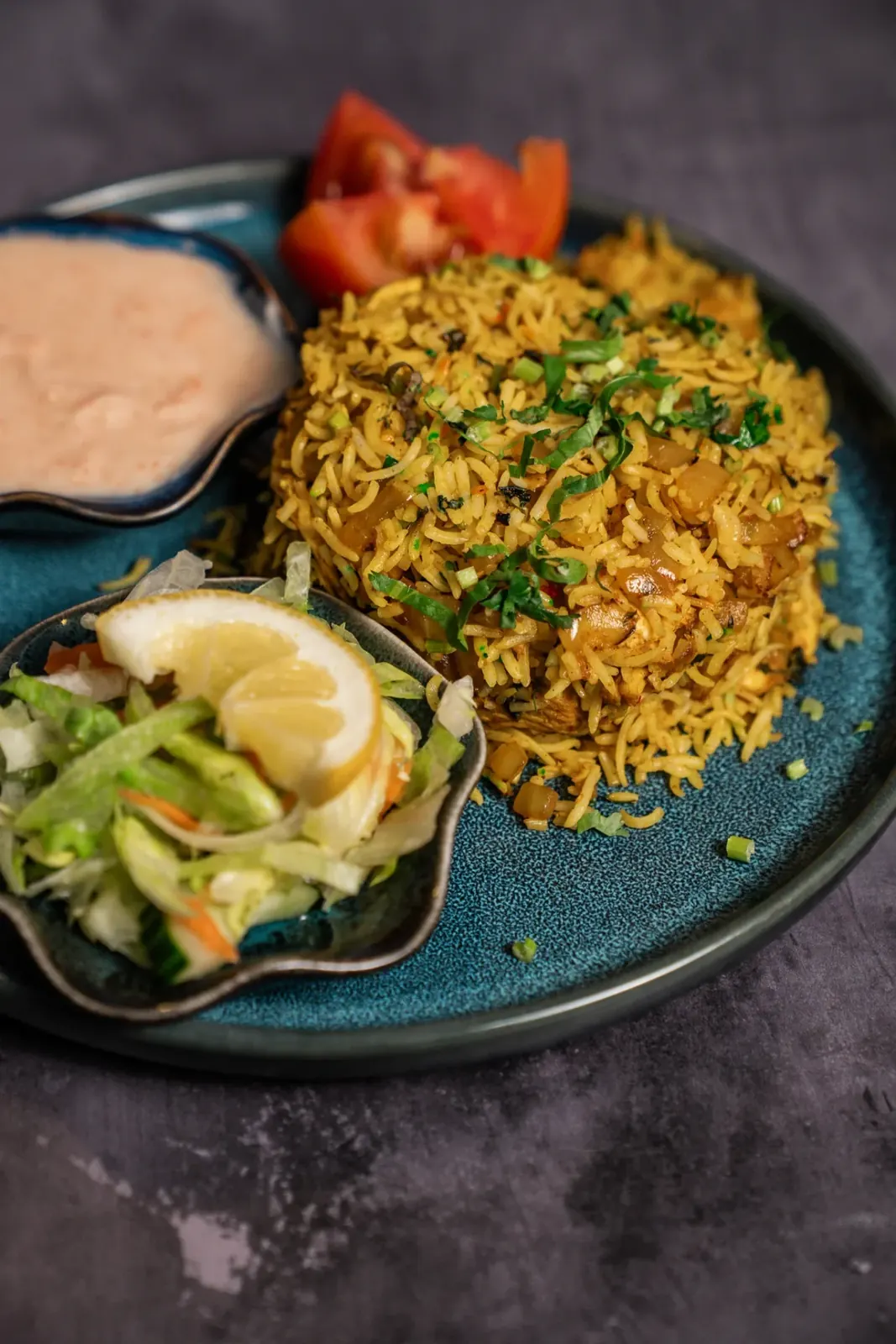
Butter chicken, biryani and dal are as loved as ever, but some kitchens are rethinking them with lighter sauces, new techniques and seasonal produce. The aim is sharper flavour and cleaner presentation without losing the comfort that made these dishes classics in the first place.
Balance, not heat
At its best, modern Indian cooking is about harmony rather than fire. Every great dish balances spice, aroma, texture and taste. A skilled cook uses small amounts of many spices to build layers instead of a single overpowering note, and brings in cooling elements such as yoghurt, coconut or fresh herbs to set off the heat. Techniques like tadka, where spices are sizzled in hot oil, lay the foundation, and slow cooking softens harsh edges. Read more in Indian slow cooking.
Global influences, local ingredients
Sourcing with care
Many chefs put provenance at the centre, working with farmers and small producers for fresh, seasonal ingredients. In Britain, that can mean Indian spice meeting British vegetables, game or fish.
Cross-cultural ideas
Travel and training bring new influences. Japanese precision, French technique and Mediterranean produce now appear in some Indian kitchens. Done well, these ideas highlight Indian flavour rather than hiding it. Done badly, they confuse. Our piece on regional Indian cuisine shows how much variety the cuisine already has to draw on.
Minimalism and presentation
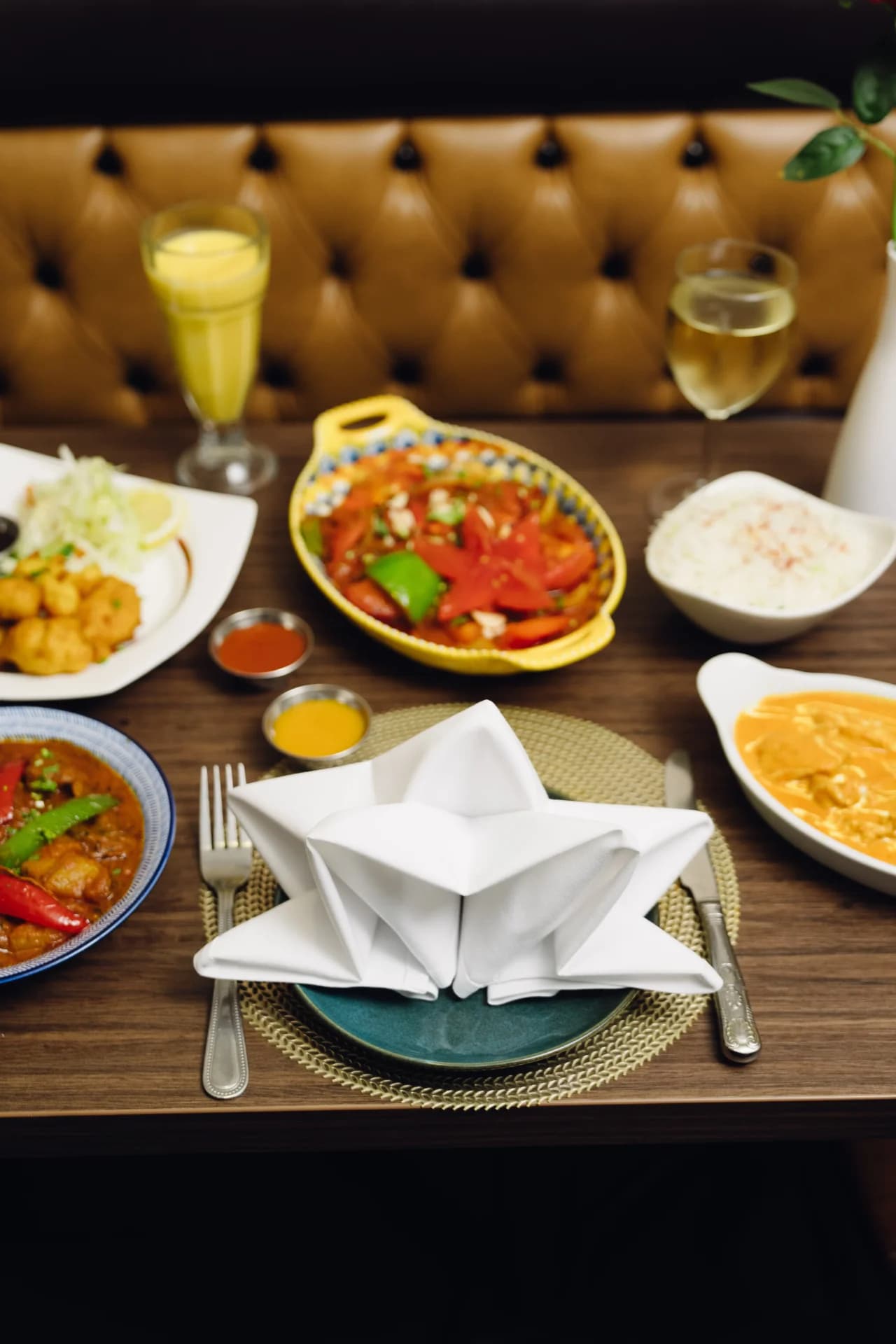
A noticeable trend is a move away from heavy décor and overcomplicated dishes towards clean lines and calm rooms. Neutral tones and soft lighting keep the focus on the food.
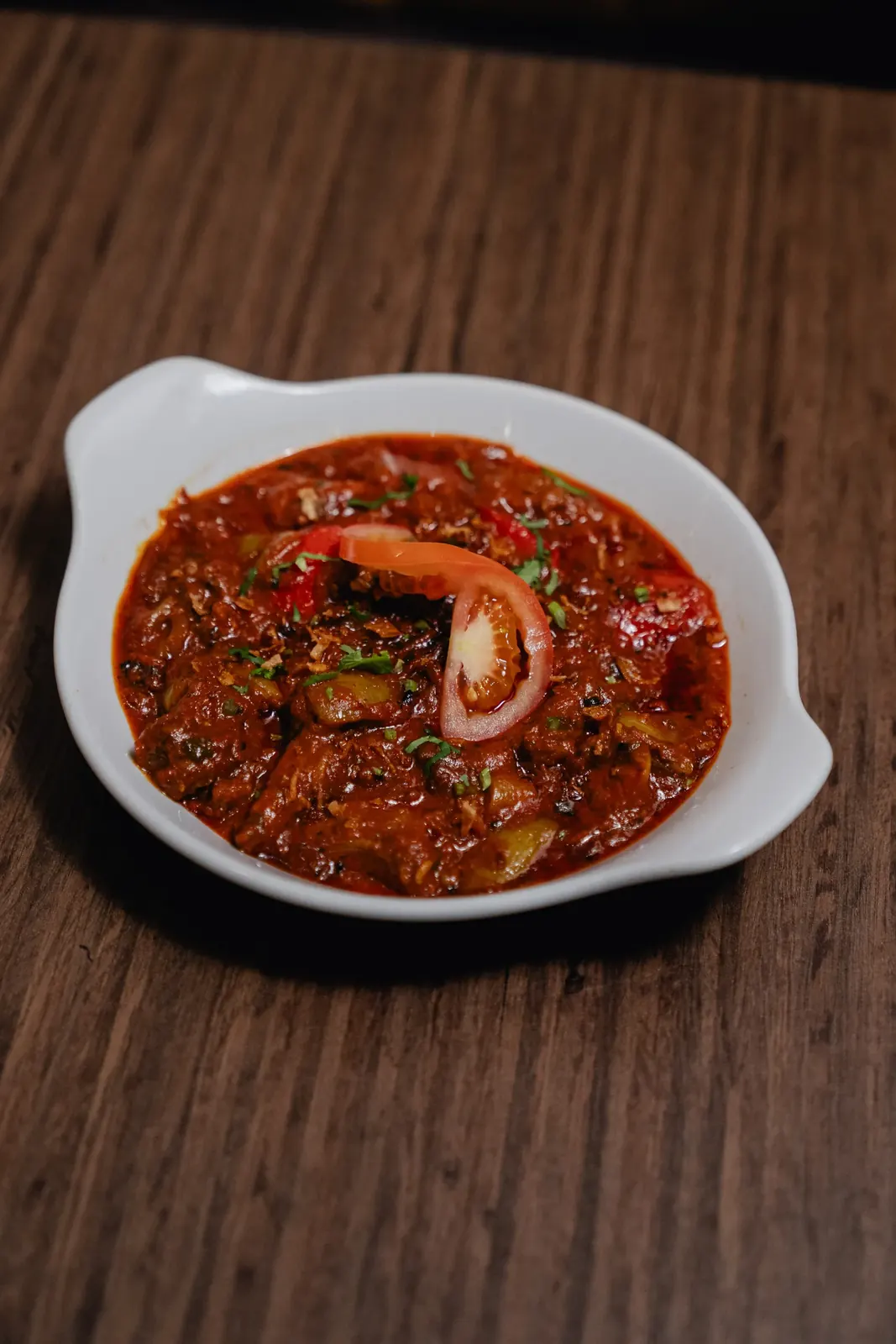
On the plate, presentation has become part of the story. Colours are bright, garnishes considered, and a curry may arrive in a shallow bowl rather than a heavy dish. Social media has played its part, since dishes now need to photograph well as well as taste good.
New techniques in the kitchen
Some chefs use modern equipment such as precise water baths for slow cooking, or play with textures and temperatures. Others revive old methods like fermentation and smoking. Either way, the goal is consistency and depth of flavour.
Sustainability and plant-forward cooking
Many modern kitchens take waste seriously, using vegetable trimmings for stocks and cooking with the seasons. Vegetables and pulses are enjoying star status too. Indian cooking has always excelled here, and dishes built on lentils, aubergine, okra and chickpeas feel indulgent rather than restrictive. See our guide to vegan Indian food.
London's Indian story
London has played a big part in this movement. Several of the city's Indian restaurants have been recognised by major guides, and the variety on offer, from long-standing curry houses to modern dining rooms, is remarkable. Regional cuisines that were once rarely seen outside India, from Goan seafood to Chettinad spice, are now easy to find.
The human touch
For all the new ideas, Indian cooking remains personal. Chefs tell stories of their regions and families through their menus, and many pass on skills to younger cooks. That sense of identity is what keeps the cuisine alive. However inventive the kitchen, most diners still judge a modern Indian restaurant on the basics: fresh bread, well-balanced spice, generous hospitality and a sauce you want to finish with the last piece of naan.
Classic and modern at our table
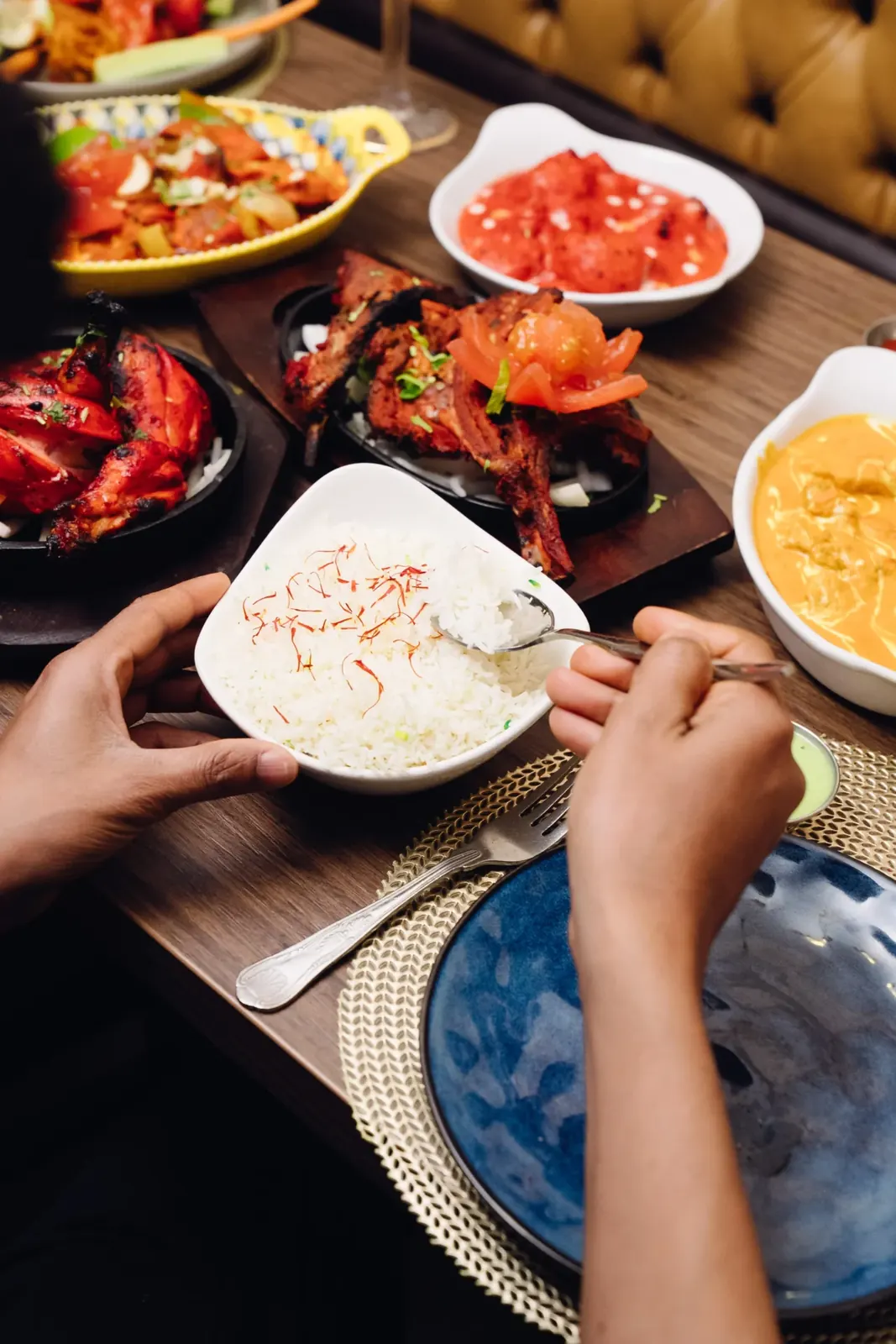
Maharaja of India was established in 1960, and our menu shows how old and new sit together. You will find the British-Indian classics alongside regional dishes like Chettinad Chicken, Fish Goa and Railway Lamb Curry, and Indo-Chinese favourites like Gobi Manchurian. Browse the menu, then book a table. Before a show, our Pre-Theatre menu is served from 12pm to 5.30pm daily.