The way we eat is changing fast, and Indian fusion cuisine is one of the most talked-about results. Diners want more than a good meal; they want something new. Around the world, some Indian kitchens are borrowing from French plating, Japanese technique and Nordic minimalism. But is this blending of styles a bold step forward or a misstep? Here is how Indian fusion works, when it succeeds, and when it falls flat.
The rise of fusion
Over the last couple of decades, fusion has become part of mainstream dining. Chefs mix ingredients, methods and presentation from different cultures, and Indian cuisine, with its bold spices and deep flavours, is fertile ground for experiment.
As a result, some ambitious Indian restaurants are no longer bound by tradition. You may find multi-course menus, wine pairings and plating that would look at home in a European fine dining room.
Why Indian food lends itself to fusion
Indian food has always evolved. Mughal cooks brought Persian influences, Portuguese traders are often credited with shaping Goan dishes such as vindaloo, and Chinese communities in Kolkata gave rise to Indo-Chinese favourites like chilli paneer and gobi manchurian. Chicken tikka masala is widely credited to British-Indian kitchens. In other words, fusion is nothing new. The cuisine is built on layers of spice, texture and regional variety, which makes it adaptable.
When fusion works
Respect for the roots
Fusion should never mean forgetting what makes a dish work. A tandoori fish with a citrus glaze succeeds when the fish is still cooked in a real tandoor: the smoke stays, and the glaze adds a twist.
Flavour first
Fashionable ingredients mean nothing if they don't improve the taste. Good fusion uses a borrowed technique to improve texture or balance. Slow-cooked lamb can be wonderfully tender, but it still needs the warmth of garam masala to taste Indian.
Presentation, not pretension
A deconstructed samosa might look lovely, but it must taste even better than the original. In successful fusion, the dish tells a clear story on the plate and on the tongue.
When fusion fails
Overcomplication
Too many ideas from too many cuisines can create chaos. Curry, sushi and molecular gastronomy on a single plate are more likely to confuse than delight. Simplicity is usually more effective.
Loss of identity
If diners can't tell what cuisine they are eating, something has gone wrong. A fusion dish should still feel Indian at heart, highlighting the cuisine rather than burying it.
Chasing trends
Some kitchens use fusion simply to follow fashion. A novelty dish might look good online, but taste is what brings people back. Trends fade; quality lasts.
Global influences on Indian cooking
Nordic simplicity
Scandinavian cooking champions clean flavours and seasonal produce. Some Indian chefs have adopted the stoneware plates, local herbs and pared-back presentation, which can work well with Indian spice when done with care.
Japanese technique
Precision and umami sit at the heart of Japanese cooking. Ingredients such as miso have found their way into some Indian sauces, adding savoury depth alongside rich spices.
French flair
France shaped fine dining as we know it, and techniques like confit and mousse now appear on some Indian menus. When balanced well, they add refinement; when overdone, they get in the way.
Are diners ready?
Yes and no. Many diners, especially in cities like London, love trying something new. Others want the classics cooked properly. Knowing your audience is everything: a small, experimental restaurant can take more risks than a neighbourhood favourite.
Fusion or faux pas?
Fusion in Indian cooking is not a mistake; it is a tool. When chefs honour the roots of the cuisine while blending new ideas, the results can be brilliant. When fusion becomes a gimmick, the dish suffers.
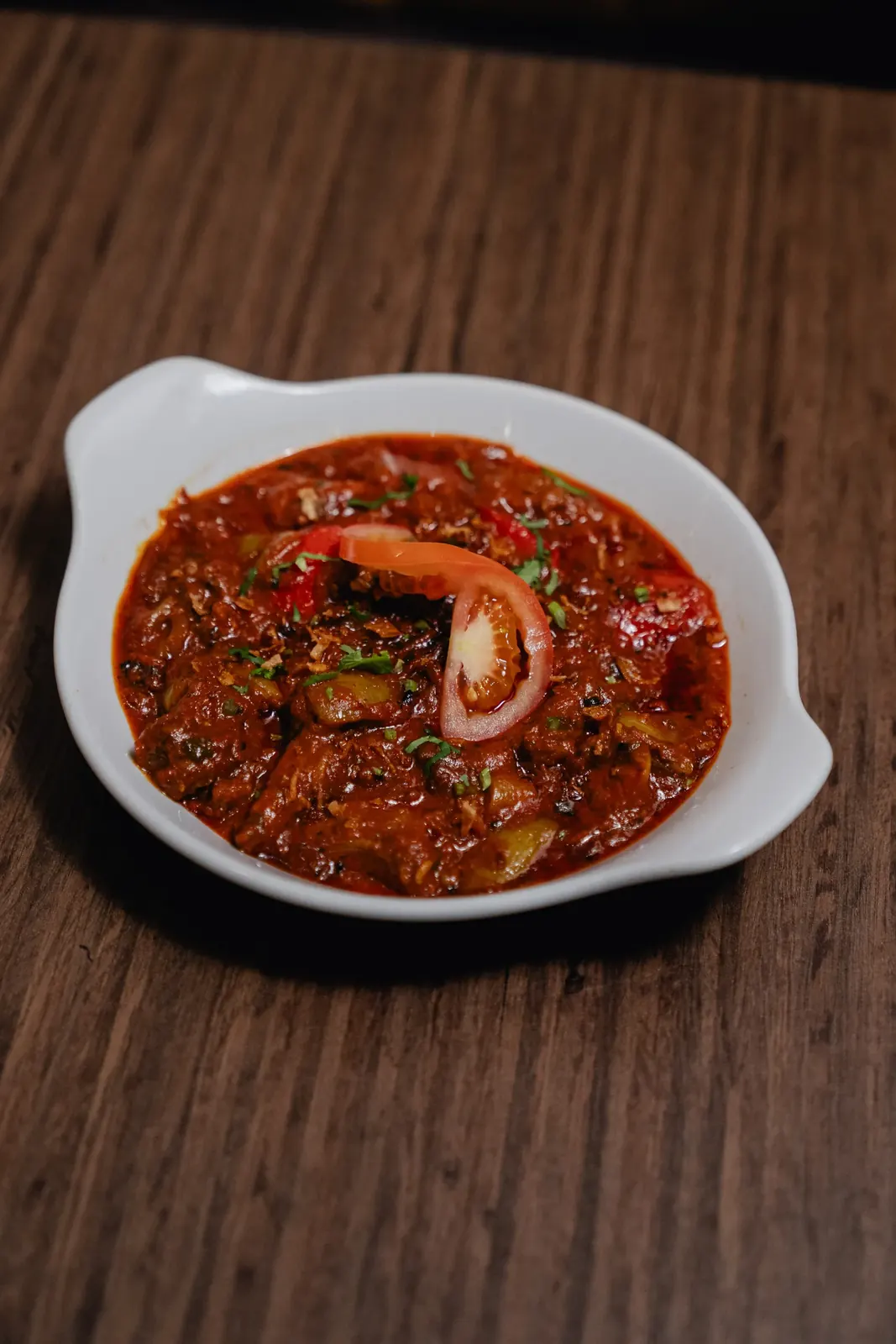
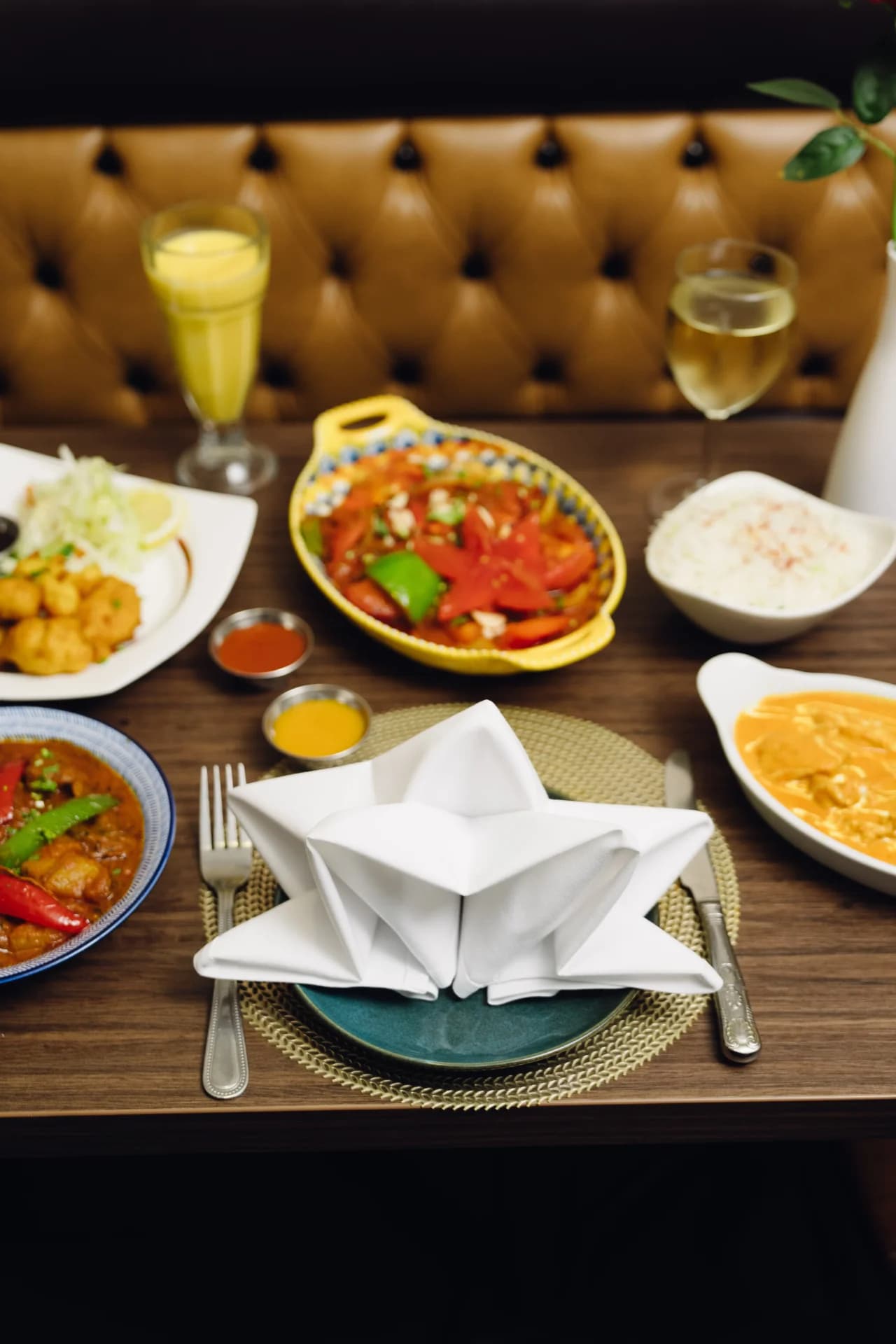
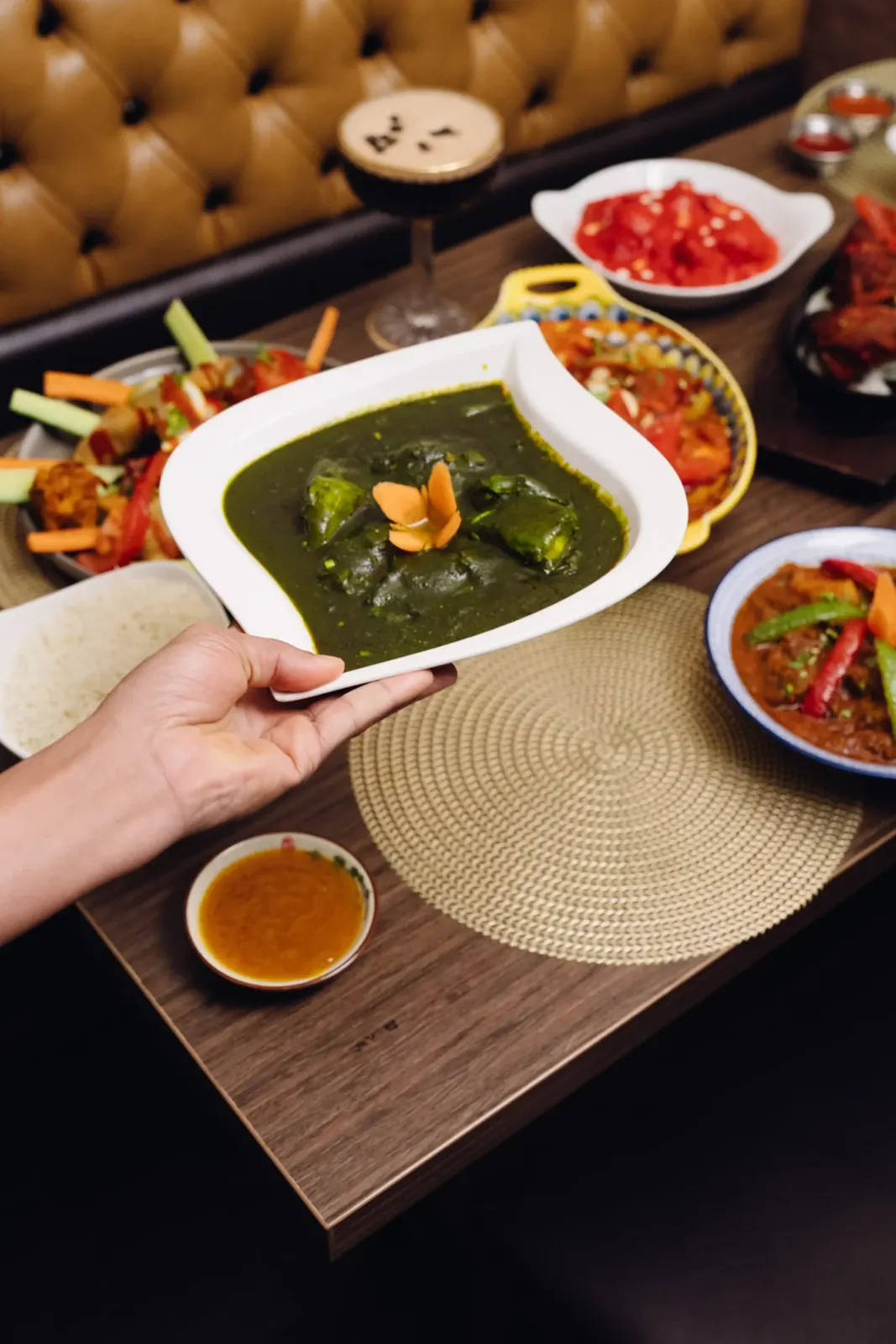
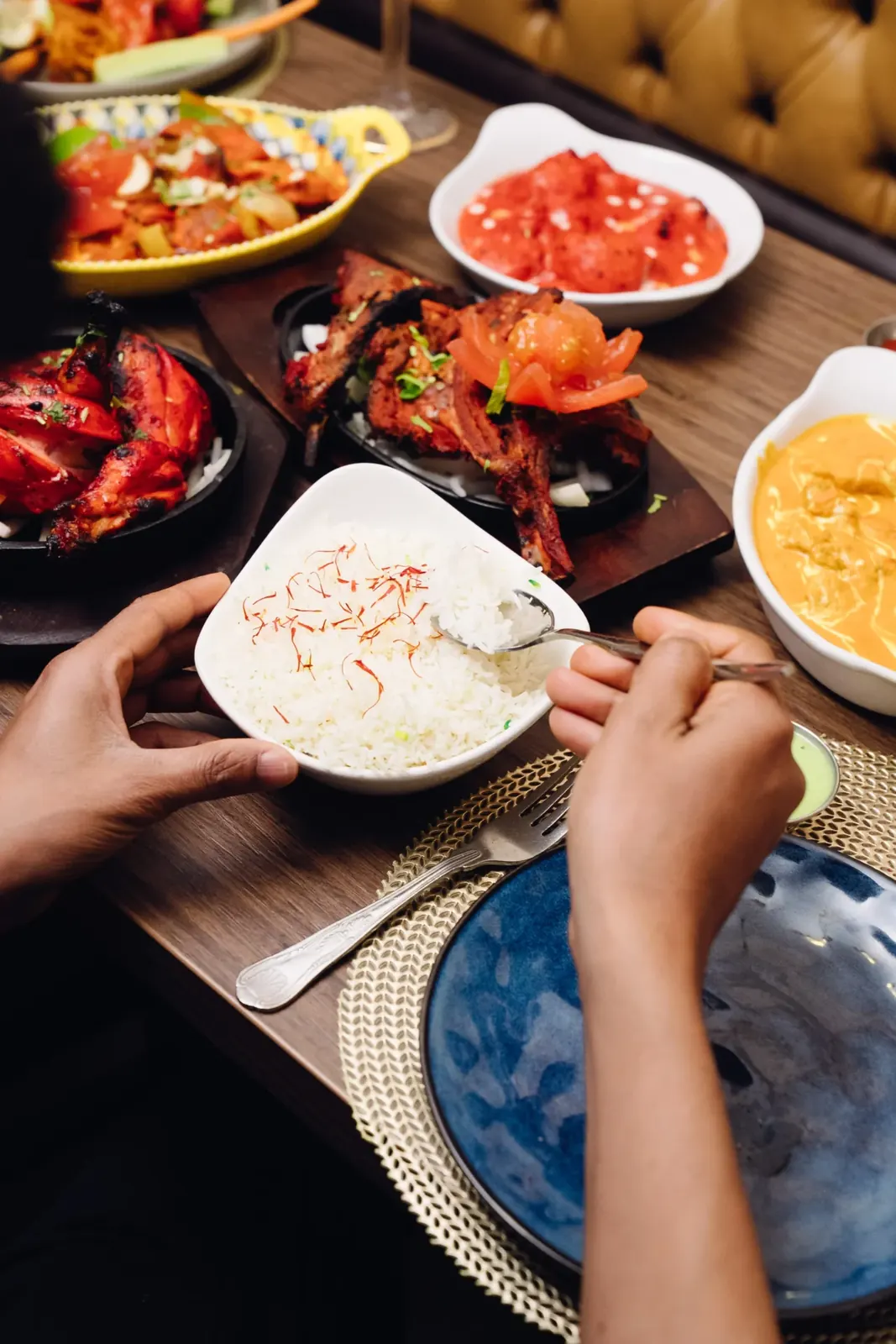
Our own menu shows the older, well-loved kind of fusion. Indo-Chinese Gobi Manchurian and Chilli Paneer sit alongside British-Indian favourites like Chicken Tikka Masala and even Masala Chips, next to classics such as Chettinad Chicken and Railway Lamb Curry. Browse the menu or read our guide to regional Indian cuisine. Bringing friends to debate it? Our group set menu makes it easy. Book a table and decide for yourself.