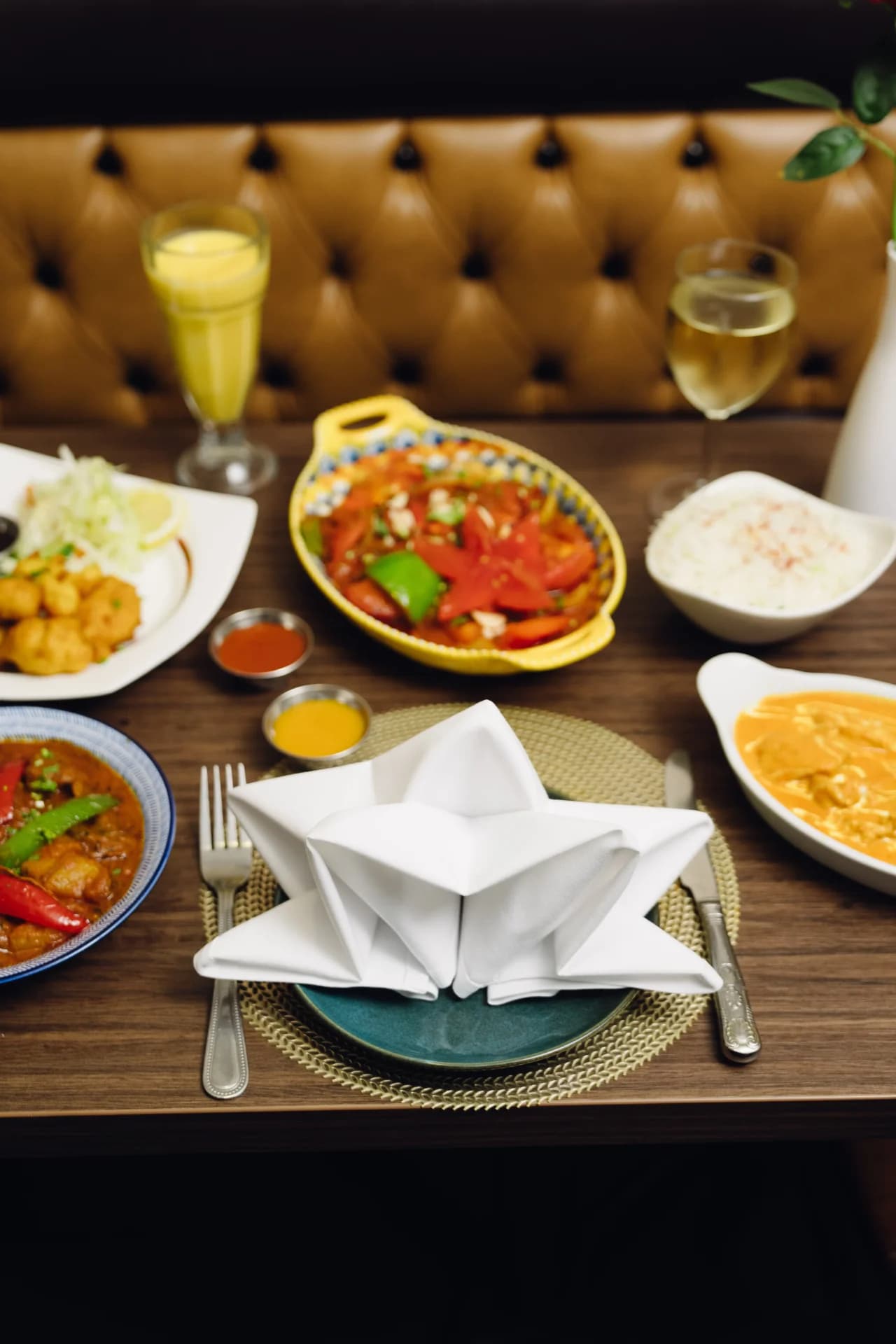
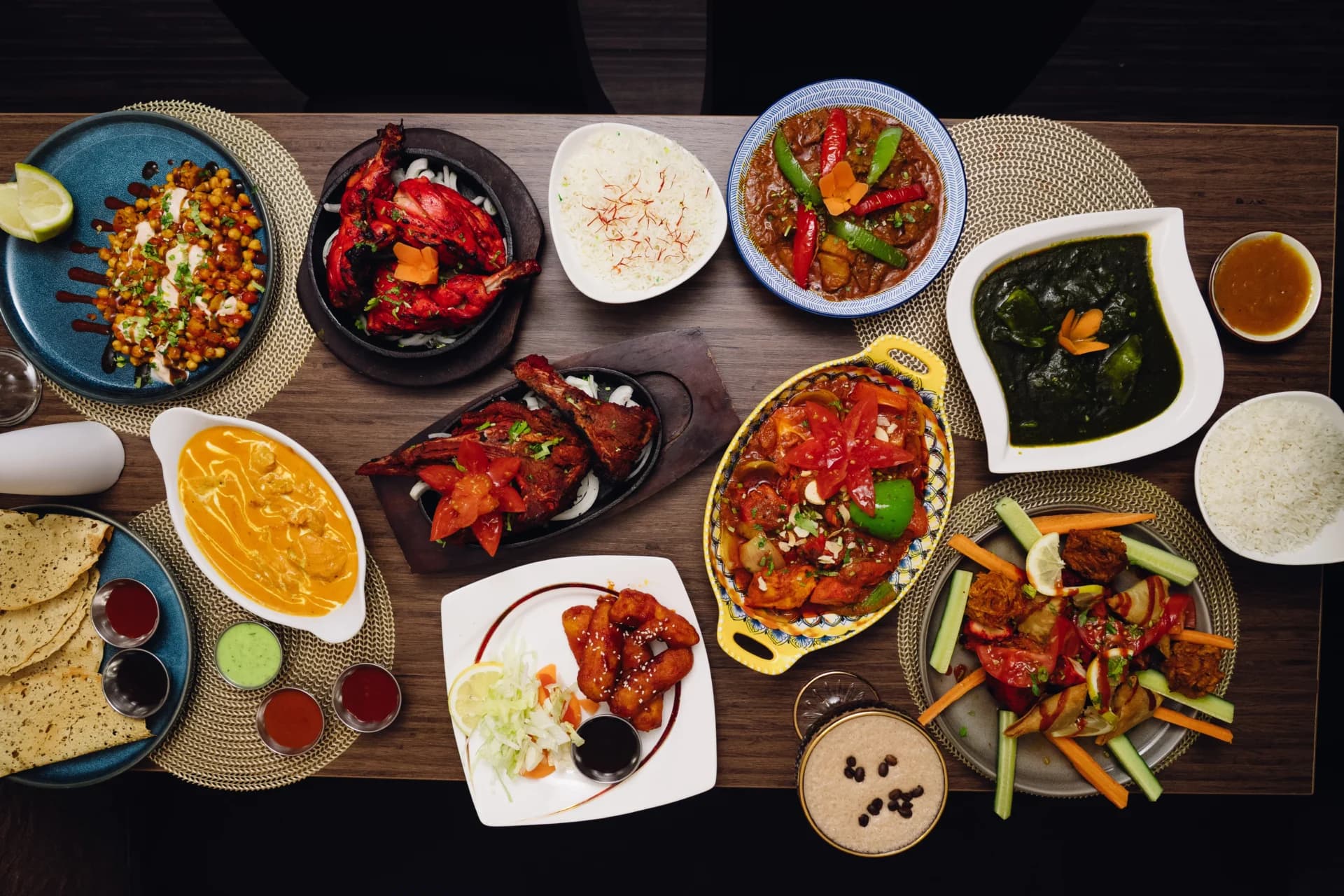
In the ever-evolving world of fine dining, chefs are embracing Indian slow cooking to excite the modern palate. Increasingly, they are turning to the past. Traditional Indian cooking methods - fermenting, smoking, and slow cooking - are making a strong comeback. These age-old techniques are now being reimagined in high-end kitchens across the globe. What once belonged to home kitchens and village hearths now features on tasting menus and in Michelin-starred restaurants.
Rediscovering the Roots of Indian Cuisine: Indian Slow Cooking
India’s culinary heritage is deep and diverse. Long before modern ovens or gas stoves, people relied on time-honoured methods to prepare meals. Fermenting lentils for dosas, smoking meats with cloves and ghee, and slow-cooking dals overnight were part of everyday life.
Today, top chefs are reviving these methods with a twist. By blending them with modern presentation and global ingredients, they are crafting dishes that celebrate tradition and innovation.
The Art of Fermentation: More Than Just Flavour
Natural, Nutritious, and Full of Life
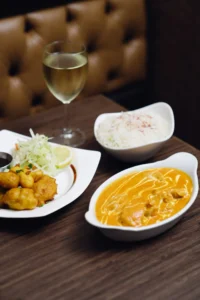 Fermentation has always held a key place in Indian kitchens. From idlis and dhoklas to pickles and yoghurts, the process adds not only flavour but also health benefits. Naturally fermented foods improve gut health, increase nutrient absorption, and enhance taste.
Now, fine dining chefs are experimenting beyond the usual. Fermented rice water, for example, is being turned into foams and gels. Fermented mango pickle is transformed into dressings. The focus is on controlled fermentation, often using scientific tools to balance acidity and umami precisely.
Showcasing Fermentation with Flair
In upscale restaurants, fermentation is treated as a craft. Chefs age ingredients like black garlic or tamarind to create complex bases for sauces. They often serve these fermented components with modern plating and pair them with fine wines or craft cocktails.
By embracing fermentation, these chefs not only honour tradition but also push boundaries. The result is flavour-rich food that surprises and delights.
Smoking: Adding Depth with Drama
The Charms of Ancient Smokes
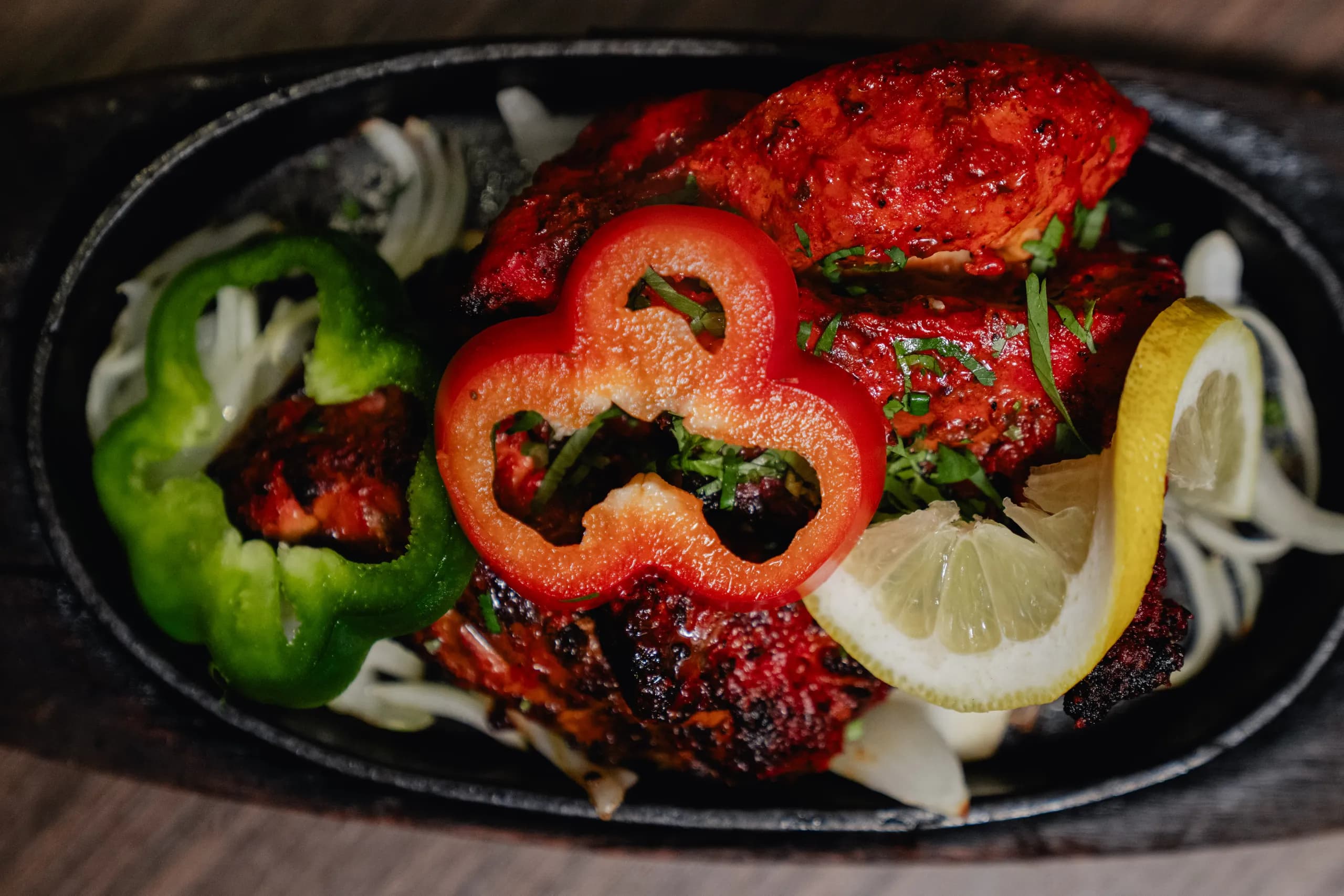
Smoking food has long been part of Indian culture. For example, dishes like tandoori meats and smoked paneer carry deep, smoky notes. Traditionally, cooks used wood, coal, or even burning ghee with spices to infuse that rich, charred aroma.
Fine dining chefs are now using these methods in innovative ways. However, instead of large clay ovens, they may use smoke guns or smoking boxes. The idea is the same - add depth and drama to a dish.
From Kitchens to Tableside
In luxury dining, experience matters as much as taste. Tableside smoking has become a popular trend. Imagine a glass cloche lifting to release aromatic smoke over your dish. It’s theatrical, but it also enhances the sensory appeal.
Some chefs go even further. They smoke butter, yoghurt, or even cocktails. Each element on the plate carries that earthy, smoky essence, linking modern cuisine with ancestral roots.
Slow Cooking: The Soul of Indian Food
Time Equals Taste
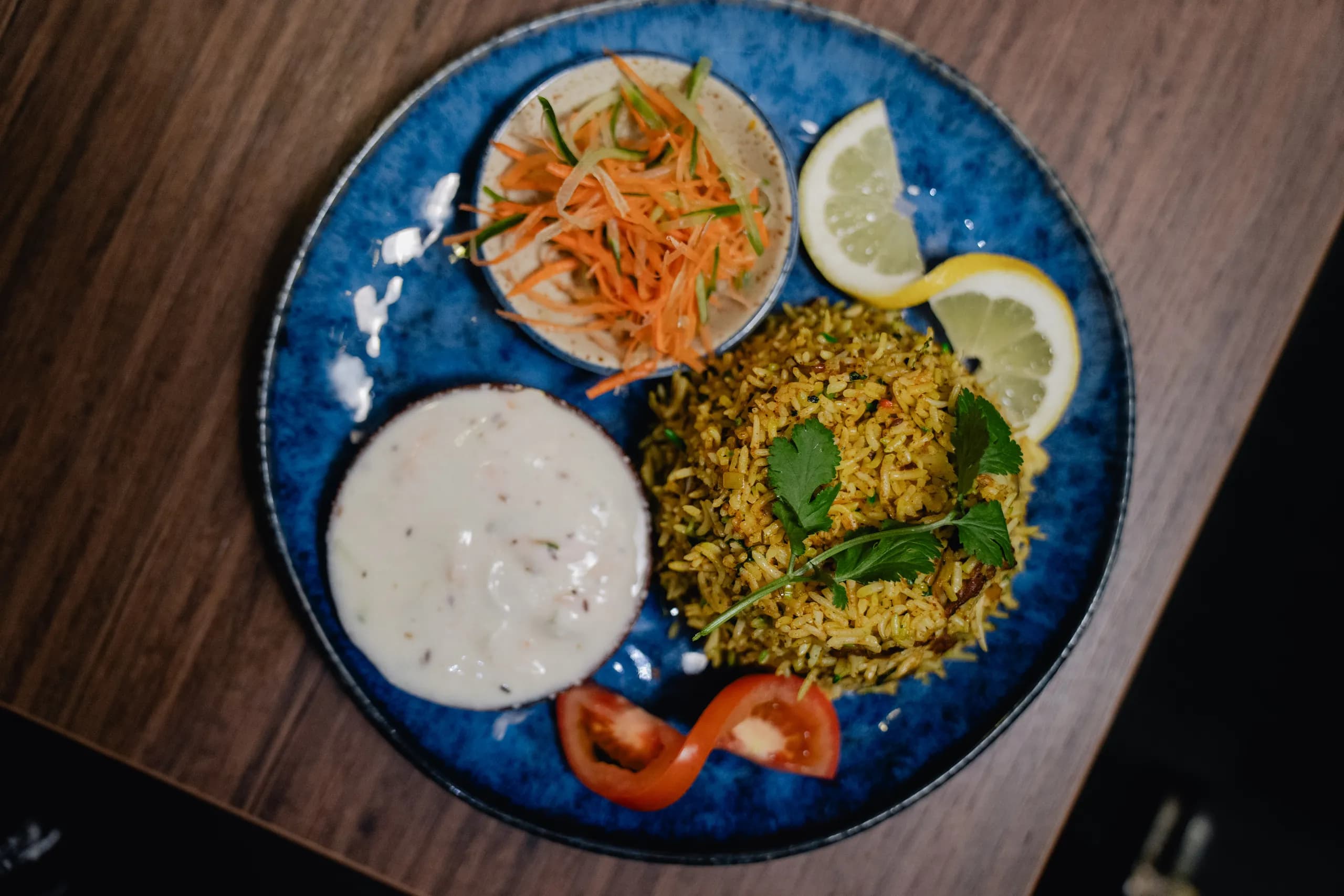
India’s slow-cooked dishes tell stories of patience. Whether it’s a slow-simmered dal makhani or a layered biryani, the flavours develop over hours. This process allows spices to marry, textures to soften, and richness to deepen.
Fine dining kitchens now embrace this slow philosophy. Although modern tools like sous vide machines help control temperature, the principle remains unchanged - great food takes time.
Luxury in Every Bite
In high-end settings, slow cooking is often used to highlight premium ingredients. For example, lamb might be slow-braised for 12 hours with saffron and rose. The dish may arrive at the table with gold leaf or edible flowers, but its essence remains grounded in old-world cooking.
This mix of heritage and luxury creates dishes that feel both comforting and refined.
Modern Meets Traditional: A Culinary Revolution
Fusion with Respect
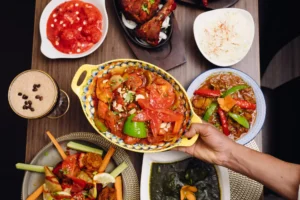 What makes this revival special is the respect for authenticity. Chefs are not simply copying old recipes. Instead, they are studying regional techniques, sourcing heirloom ingredients, and talking to village cooks and grandmothers.
Then, with that foundation, they apply modern skills - precision cooking, artful plating, and thoughtful pairings. The result is not fusion for fusion’s sake, but a careful blend of past and present.
A Global Stage for Indian Craft
Thanks to these efforts, Indian culinary traditions are gaining global recognition. Diners in London, New York, and Dubai now enjoy smoked aubergine with truffle or fermented millet crackers with goat cheese. These dishes represent a new face of Indian cuisine - rooted in history but open to the world.
Why This Trend Matters: Indian Slow Cooking
Reviving these techniques does more than just please food lovers. It supports sustainability, as many of these methods use less energy and fewer preservatives. It also gives a voice to regional food cultures that were once overlooked.
Importantly, it connects people. Food becomes a bridge between generations, geographies, and gastronomies.
Conclusion: The Future is Ancient
Fermenting, smoking, and slow cooking may seem like old methods, but they offer new possibilities. In the hands of today’s visionary chefs, they bring warmth, wisdom, and wonder to fine dining.
As this movement grows, more people will realise that, in fact, innovation doesn’t always mean creating something new. Instead, the greatest step forward often begins by taking a thoughtful step back.