Modern Indian restaurants have climbed the ranks of global gastronomy, becoming one of the most celebrated food cultures. Known for its rich spices, depth of flavour, and remarkable diversity, it has transcended borders, gaining a loyal following among food lovers everywhere. From traditional thalis to cutting-edge fusion creations, modern Indian restaurants are not only preserving heritage but also shaping the future of international dining.
Why Indian Food Has Captured Global Attention
 The worldwide appeal of Indian cuisine is no coincidence. Its adaptability, complexity, and sheer variety make it a natural fit for today’s diners, who seek both authenticity and creativity in their meals.
Bold Flavours with Timeless Appeal
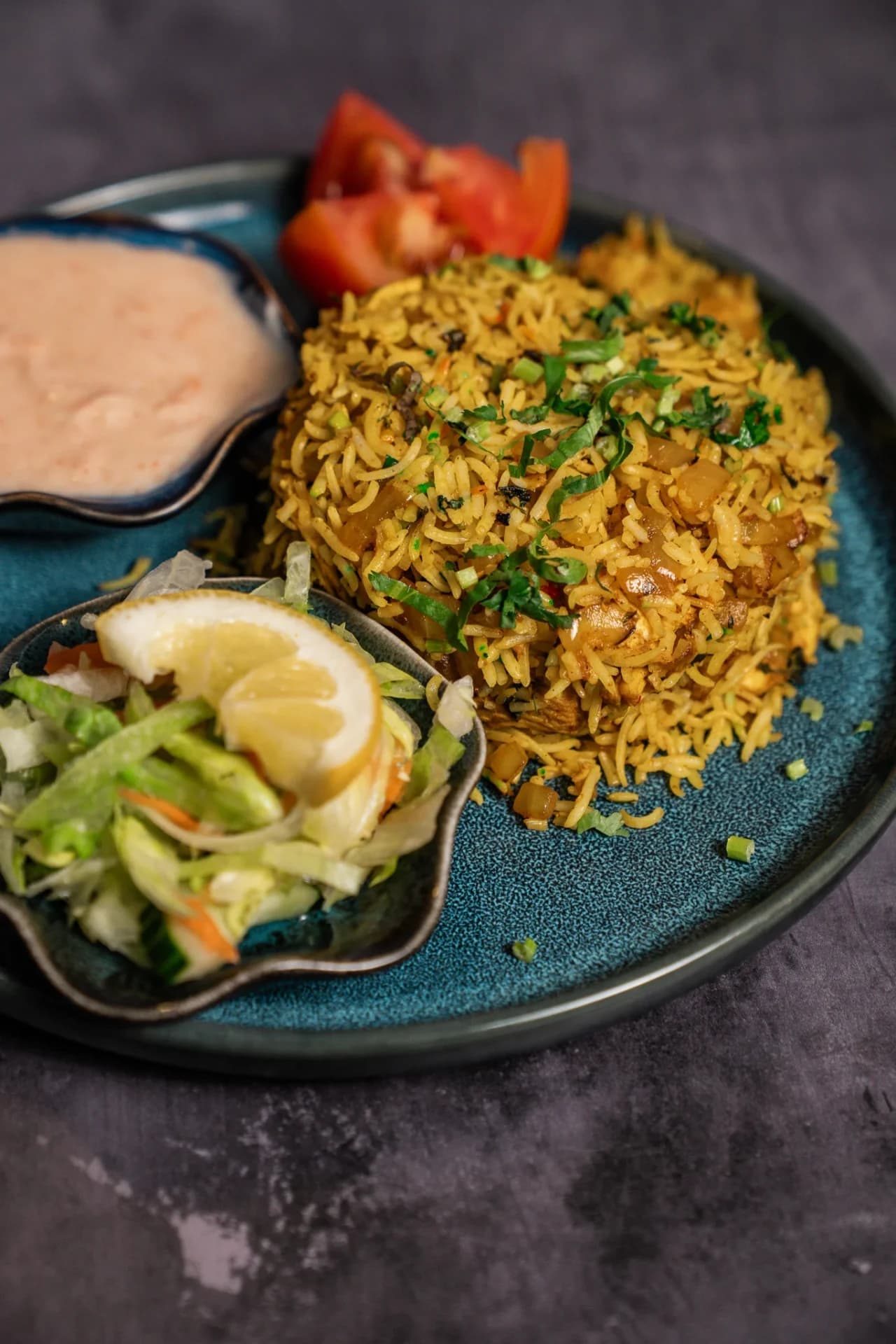
Indian dishes are instantly recognisable for their robust, layered flavours. Spices such as cumin, coriander, turmeric, and cardamom create unique profiles that intrigue the palate. These flavour combinations are not just bold - they’re memorable, leaving diners with an experience rather than just a meal.
A Tapestry of Regional Diversity
Every corner of India contributes something distinct to its culinary map. Northern India is renowned for rich Mughlai gravies and slow-cooked meats, while the coastal south thrives on fiery curries, coconut-based stews, and fresh seafood. This wide-ranging repertoire enables modern restaurants to offer menus that appeal to all tastes - from spice enthusiasts to those preferring milder dishes.
Naturally Vegetarian and Vegan-Friendly
As plant-based diets become increasingly mainstream, Indian cuisine finds itself in a strong position. Many classic dishes are inherently vegetarian or vegan, such as dal, chana masala, and aloo gobi. For health-conscious diners or those exploring meat-free lifestyles, Indian food offers both nutrition and indulgence.
Growing Global Accessibility
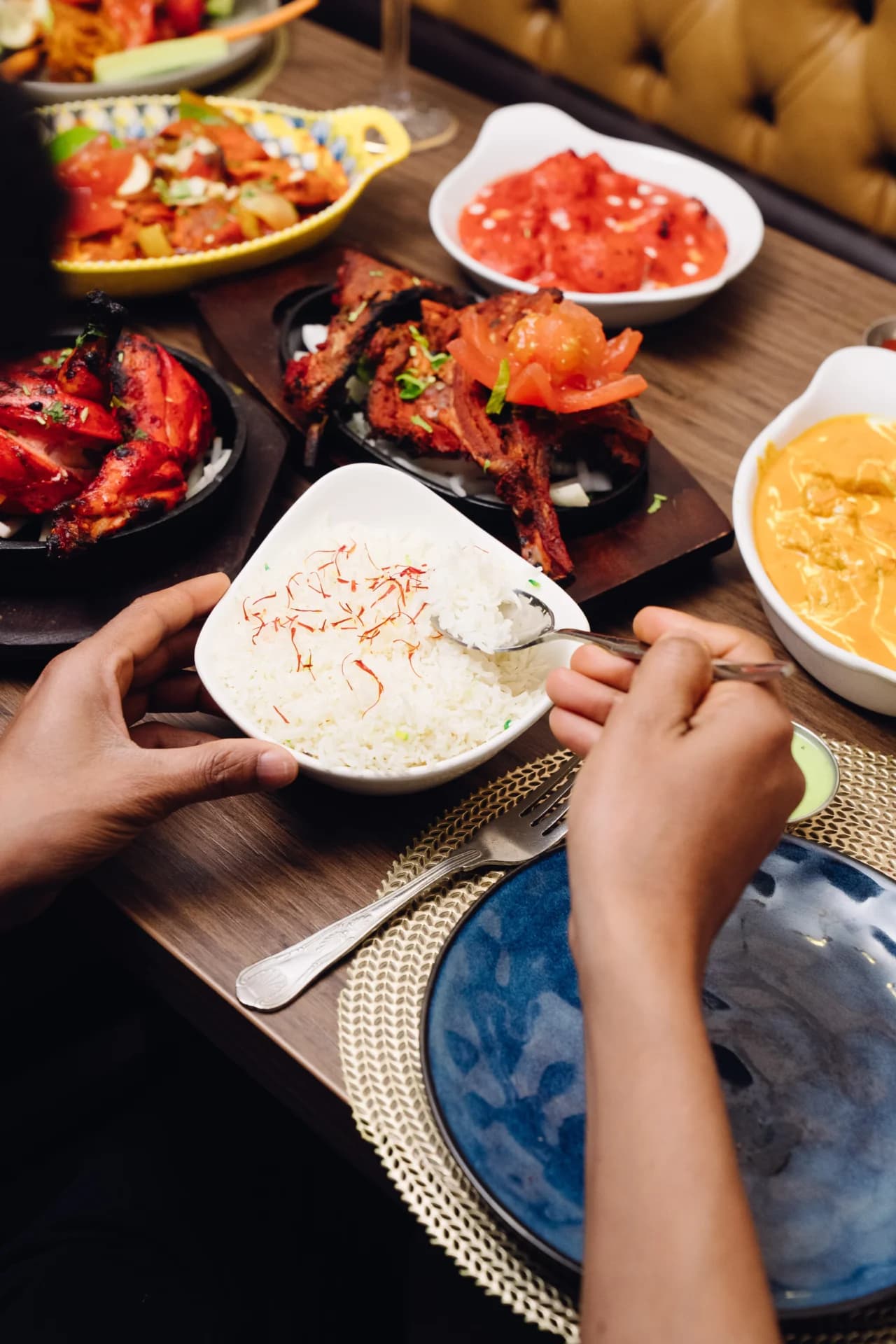
From London to New York, Sydney to Dubai, Indian restaurants are no longer niche establishments. They’re fixtures in cosmopolitan cities, offering both authentic regional fare and inventive fusion menus. This accessibility means that diners can now experience Indian flavours without boarding a flight.
How Modern Indian Restaurants Fuse Old and New
Modern Indian restaurants are embracing innovation while respecting tradition. The result? A dining culture that’s as exciting as it is comforting.
Reinventing Classics
Chefs are increasingly reimagining beloved dishes to appeal to contemporary tastes. Consider:
- Butter Chicken Bao - where iconic curry flavours are tucked inside soft steamed buns.
- Deconstructed Samosas - the familiar filling and crisp pastry presented in a fine-dining format.
These reinventions retain the essence of the original while appealing to modern aesthetics.
Global Influences on Indian Plates
Culinary borders are blurring, and Indian flavours are meeting international techniques head-on. Popular examples include tandoori tacos, masala pasta, and even Indian-style sushi rolls. This interplay of cuisines offers novelty while still keeping Indian identity at the core.
A New Era of Presentation
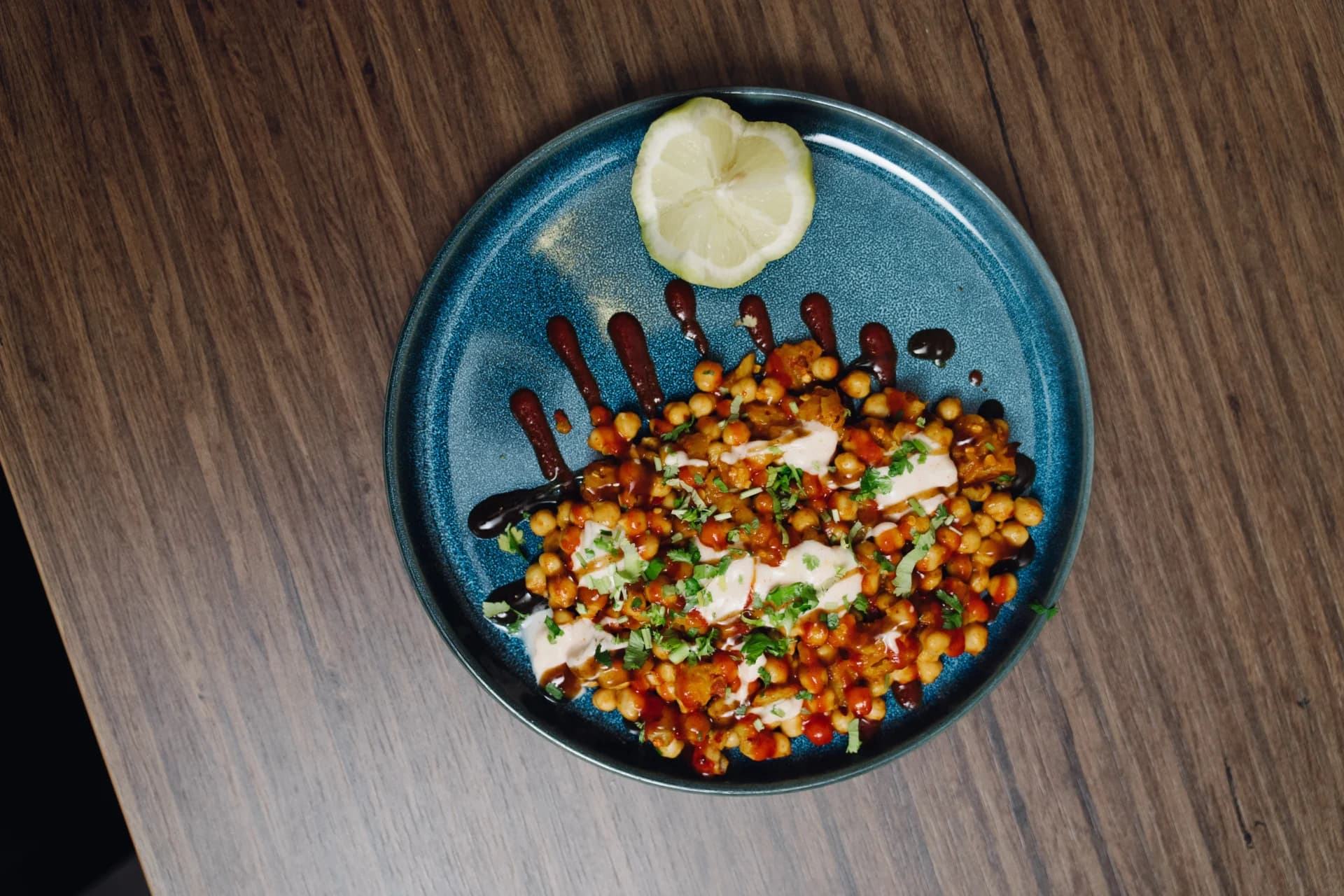
Today’s diners eat with their eyes as much as their taste buds. Contemporary Indian restaurants borrow plating styles from haute cuisine, transforming rustic comfort food into artful creations that are Instagram-ready.
Key Trends Shaping the Future of Modern Indian Restaurants
 The landscape of Indian restaurants is constantly evolving, responding to global movements and customer expectations.
Sustainability and Local Sourcing
Many restaurants are leaning towards sustainable practices - sourcing locally grown produce, reducing food waste, and embracing eco-friendly operations. This commitment not only appeals to ethically minded diners but also enhances freshness and flavour.
Regional Specialisation
Instead of offering pan-Indian menus, new restaurants are shining a spotlight on specific cuisines. Whether it’s the fiery dishes of Chettinad, the rich stews of Bengal, or the vibrant flavours of Gujarat, this specialisation educates diners while celebrating authenticity.
The Street Food Revolution
Street food has therefore graduated from roadside stalls to fine dining. Moreover, classics like pani puri and pav bhaji gain gourmet flair.
Technology Meets Tradition
Digital innovation is reshaping the dining experience. From online reservations and QR-code menus to immersive augmented reality dining, Indian restaurants are embracing technology to stay ahead of the curve.
Health-Driven Menus
In step with global wellness trends, many establishments now offer gluten-free naan, lighter curries made with alternative oils, and refined sugar-free desserts - ensuring indulgence without compromise.
Why Modern Indian Restaurants Appeal Across Generations
One of the most fascinating aspects of Indian food is its universal appeal across different age groups.
- For traditionalists: it’s a way to stay connected to cultural roots through time-honoured recipes.
- For millennials and Gen Z: the allure lies in creative cocktails, quirky fusion dishes, and share-worthy aesthetics.
- For families: generous sharing platters make it ideal for communal dining, encouraging connection over food.
Choosing the Right Indian Restaurant
With so many options available, selecting the perfect restaurant can be a delightful challenge. A few practical tips include:
- Read reviews: Gain insight into consistency and service quality.
- Explore menus: Look for balance between traditional dishes and innovative specials.
- Ask locals: Hidden gems often lie beyond the usual tourist trail.
- Consider ambience: A welcoming, well-designed space can enhance the overall experience.
The Bright Future of Indian Cuisine
The trajectory of Indian restaurants is one of growth and innovation. With chefs pushing creative boundaries, sustainability becoming central, and regional cuisines gaining deserved recognition, Indian food is poised to thrive in the global dining scene.
Final Thoughts
Indian cuisine has proven itself to be far more than just curry and naan - it is a dynamic, evolving culinary tradition that resonates worldwide. By blending age-old recipes with modern techniques, Indian restaurants continue to excite both loyal fans and curious newcomers.
Whether it’s the spice-laden comfort of a homely curry or the thrill of tasting an Indian-inspired taco, the journey of global Indian cuisine is only just beginning.