Walk past an Indian kitchen at service and you will often feel the tandoor before you see it. The clay oven is the oldest tool in the room and still the most dramatic - a barrel of fierce, dry heat that gives tandoori cooking its colour, its smoke, and its unmistakable char.
What a tandoor actually is
A tandoor is a deep clay oven, traditionally sunk into the ground and fired by charcoal. It runs far hotter than a domestic oven, often above 400C near the coals. That heat does two things at once: it sears the outside of meat in seconds and bakes bread against the clay wall in barely a minute.
Why the heat matters
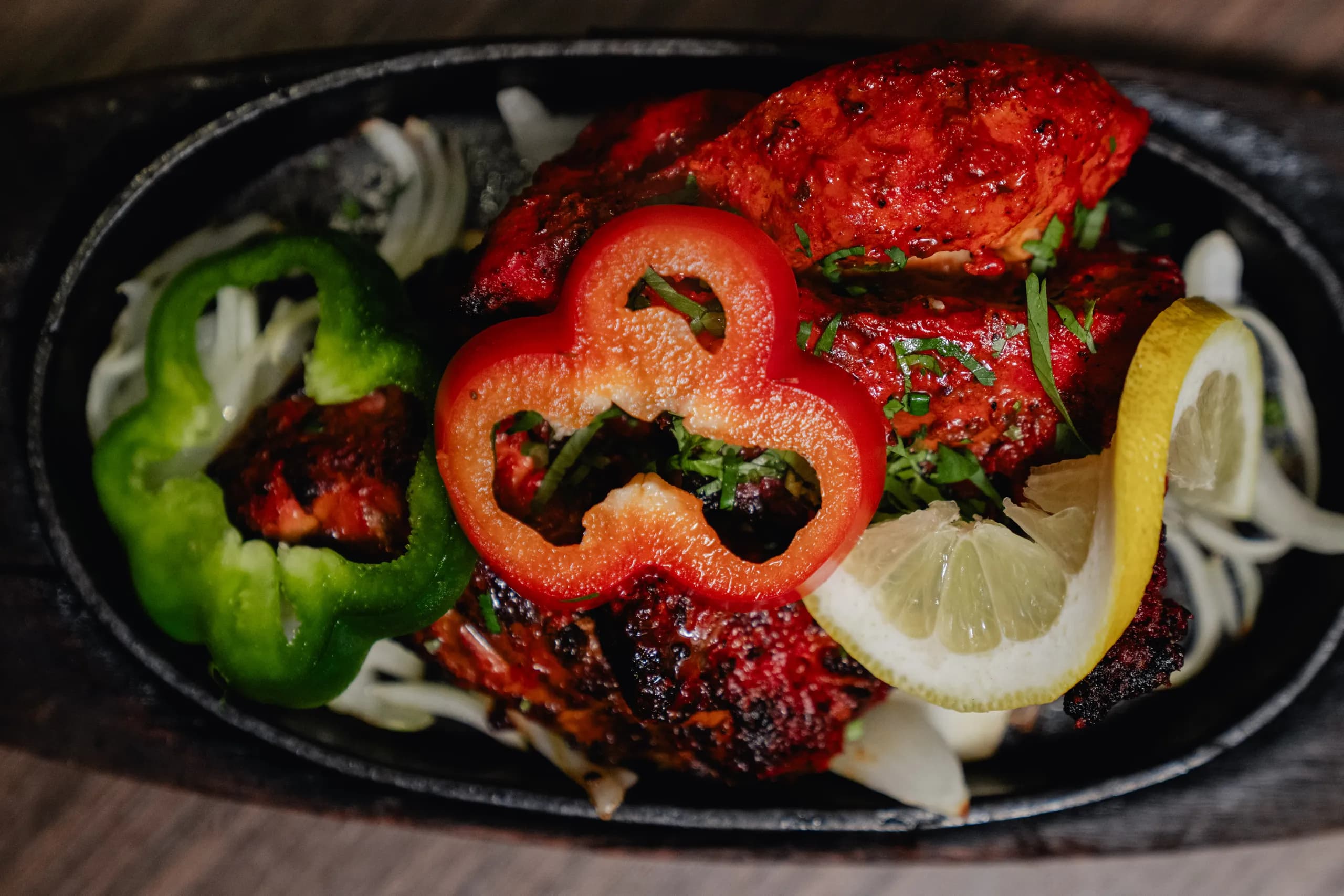
Speed is the point. Marinated meat hits the heat, the surface caramelises, and the inside stays moist because it spends so little time cooking. The faint smokiness comes from juices and marinade dropping onto the coals and rising back up. It is a flavour you cannot fake with a grill pan.
What to order to taste it
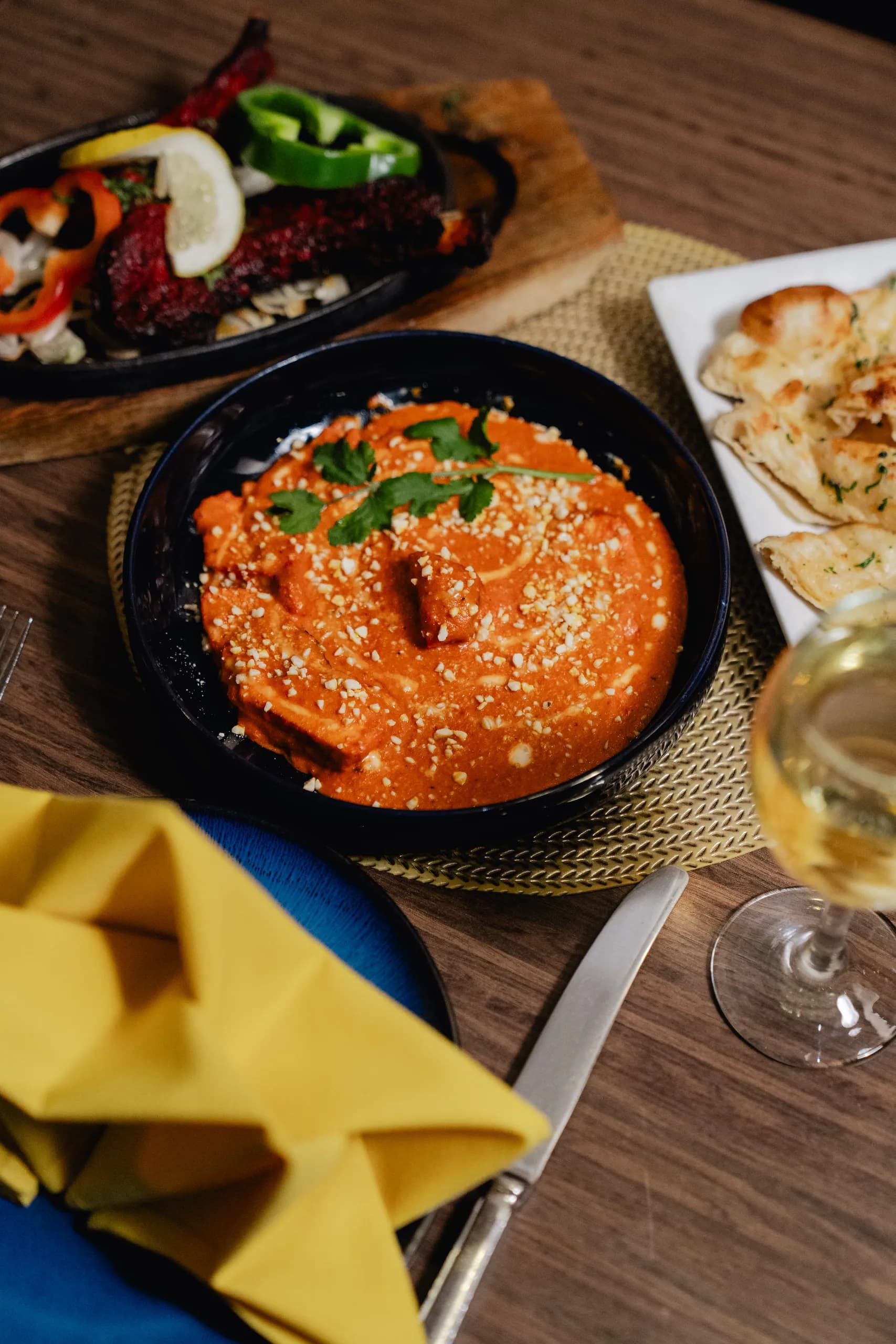
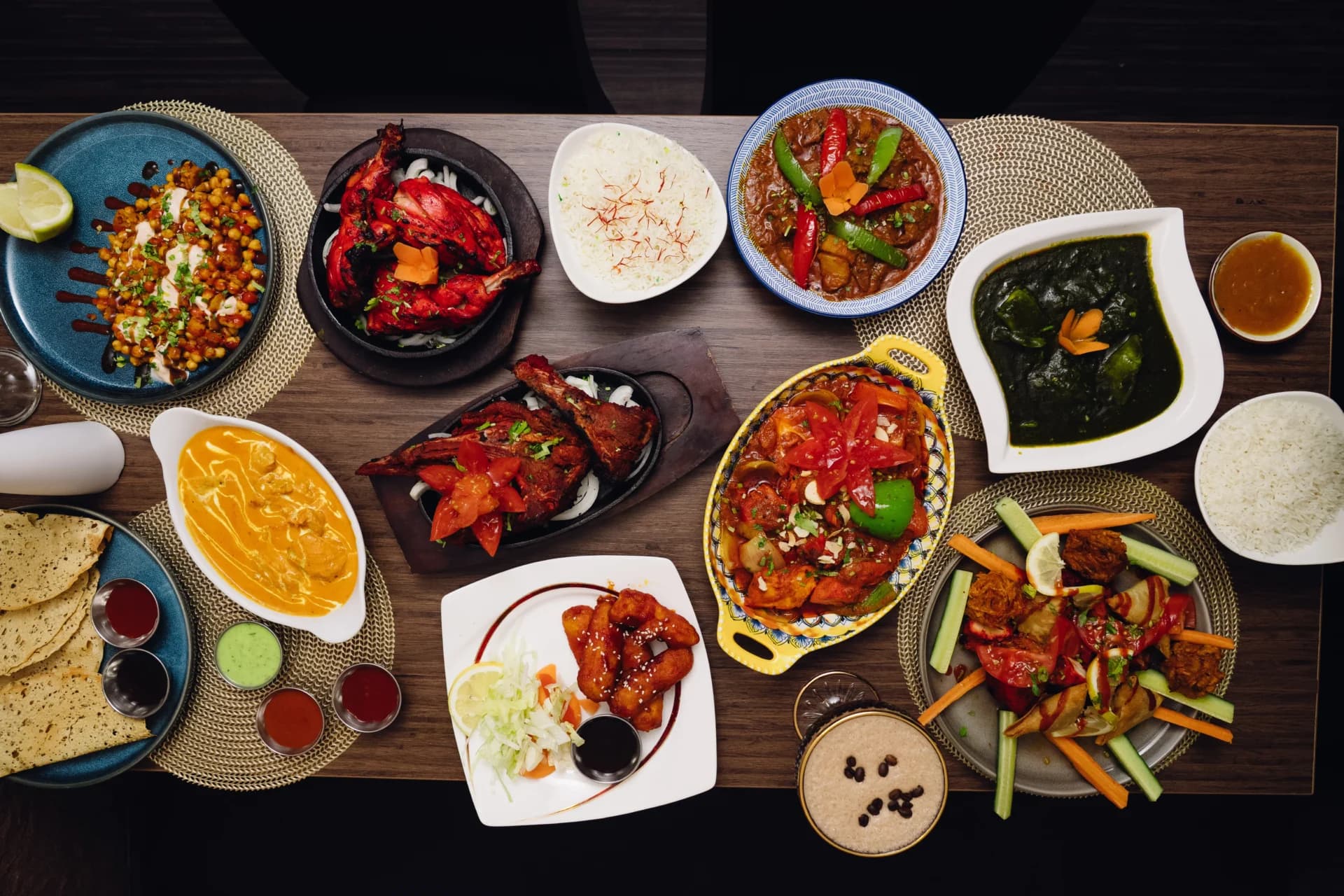
The tandoor is behind more of the menu than people realise. Chicken tikka, seekh kebab, lamb chops, paneer tikka and the whole mixed grill all come from it. So does the bread - naan, roti and kulcha are slapped onto the inside wall and peeled off blistered and hot. Order a tandoori starter and a fresh naan together and you taste the same oven working two completely different jobs.
From Punjab to central London
Tandoor cooking travelled from Punjab and the north-west of the subcontinent, and it remains the backbone of how we cook. See the tandoori section of our menu, or read more about our kitchen on the about page.