Cream has a quiet but important job in Indian cooking. Used well, it rounds off heat, carries spice, and turns a sharp tomato sauce into something silky. Used badly, it flattens everything. Here is how the good kitchens handle it.
Balance, not blanket
Cream is a finishing touch, not a base. It goes in towards the end, to soften and enrich rather than to smother. A spoonful over a well-built masala lifts it; a flood of it drowns the spice the cook worked to develop.
The dishes that depend on it
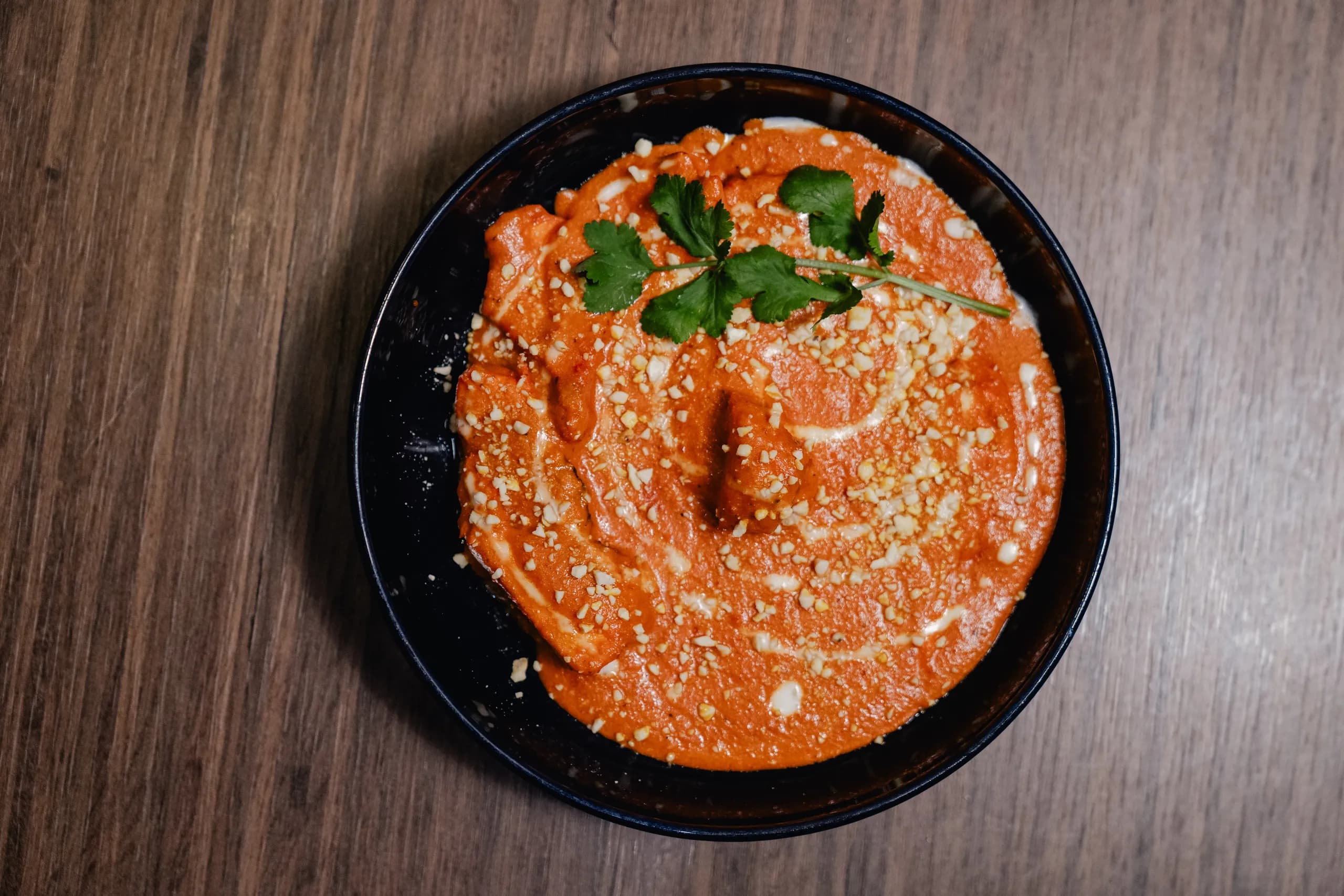
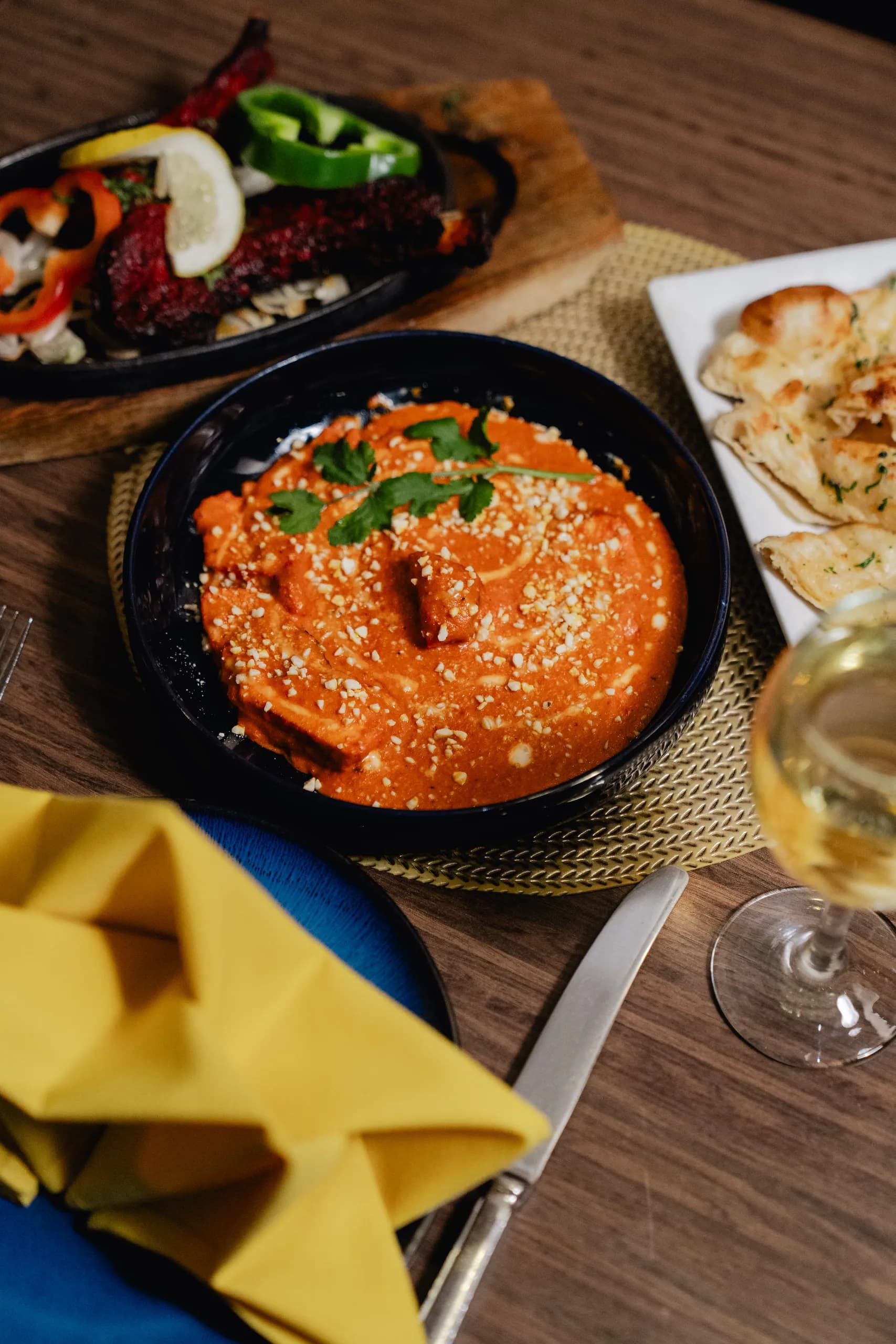
Butter chicken is the obvious one - tomatoes, butter and a little cream, mellow and glossy. A korma leans on cream, yoghurt and ground nuts for its richness. Even a dal can take a swirl at the end. Each uses it differently, and none uses it to hide behind.
Cream and heat
There is a reason a cooling element sits beside the spice. Dairy tames chilli, which is why a creamy curry feels gentler than a dry one of the same heat. It is also why raita and a lassi work so well alongside a fiery dish.
Taste the difference
The creamier dishes are some of the most popular on our menu, and a good place to start if you are new to Indian food. Try the butter chicken at Charing Cross or Soho.