Gourmet Indian harmony means more than heat. It blends bold spices, balance, and texture to create refined dishes full of depth and delight. But true gourmet Indian cuisine is not just about heat. It’s about harmony. Every great dish balances spice, aroma, texture, and taste. In fine dining, this balance becomes an art. The goal is to excite the palate without overpowering it. Let’s explore how chefs achieve this delicate dance between heat and harmony.
The Role of Spice in Indian Cooking
More Than Just Heat
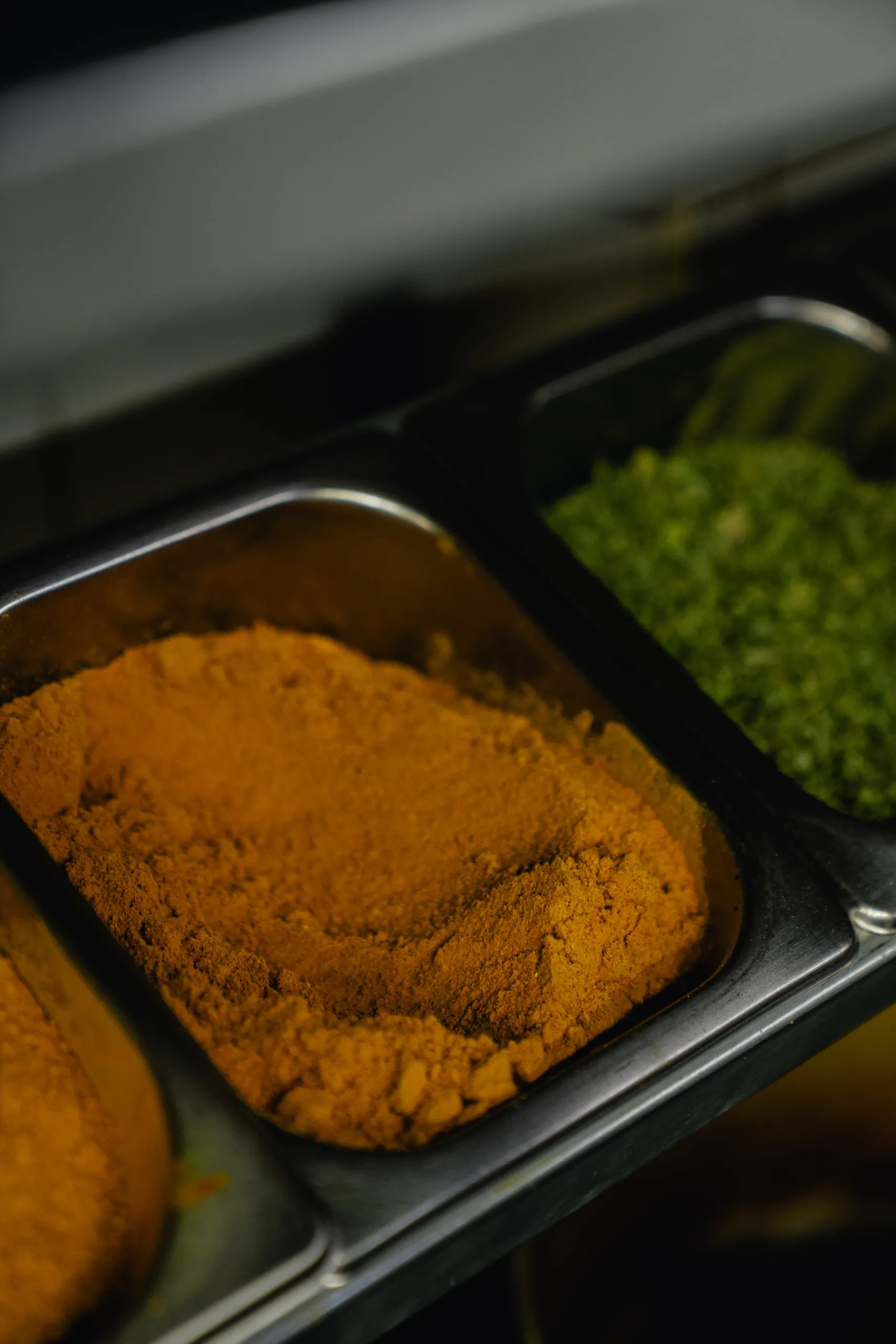
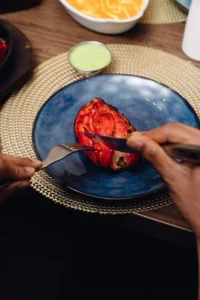 Spices in Indian food serve many purposes. They do not just add heat - they bring depth and character. For example, cumin adds warmth, while cardamom offers a sweet, floral note. Chilli might bring fire, but it’s balanced by cooling elements like yoghurt or coconut. Each spice has a role to play. When blended with care, they create a full, rounded taste.
Knowing When to Hold Back
Less can often be more. A gourmet chef knows that restraint is key. Using too much chilli can mask other flavours. Instead, fine dining recipes use small amounts of many spices. This creates layers of taste rather than a single overpowering note. Think of it like a symphony - each spice is an instrument, and together, they play in tune.
Techniques That Bring Harmony: Gourmet Indian Harmony
Tadka: A Flavour Foundation
Tadka is a simple yet powerful technique. It involves frying spices in hot oil to release their aromas. This method forms the base of many Indian dishes. When done right, tadka enhances the dish without dominating it. Chefs often use ghee or mustard oil to deepen the flavour. Timing is everything - a few seconds too long, and the spices can burn.
Slow Cooking for Depth
Slow cooking allows flavours to blend gently. Dishes like dal makhani or lamb rogan josh benefit from this method. Over time, the heat softens harsh spices. It also allows meat and lentils to absorb the seasoning fully. As a result, the dish tastes rich and balanced, not overly spicy.
Playing with Contrast
Cooling Agents
 Spicy food needs balance. That’s where cooling agents come in. Raita, for example, is a yoghurt-based side that calms the heat. Coconut milk, cream, or fresh herbs like mint also do the trick. These ingredients soothe the palate and highlight the spices rather than mute them.
Textural Harmony
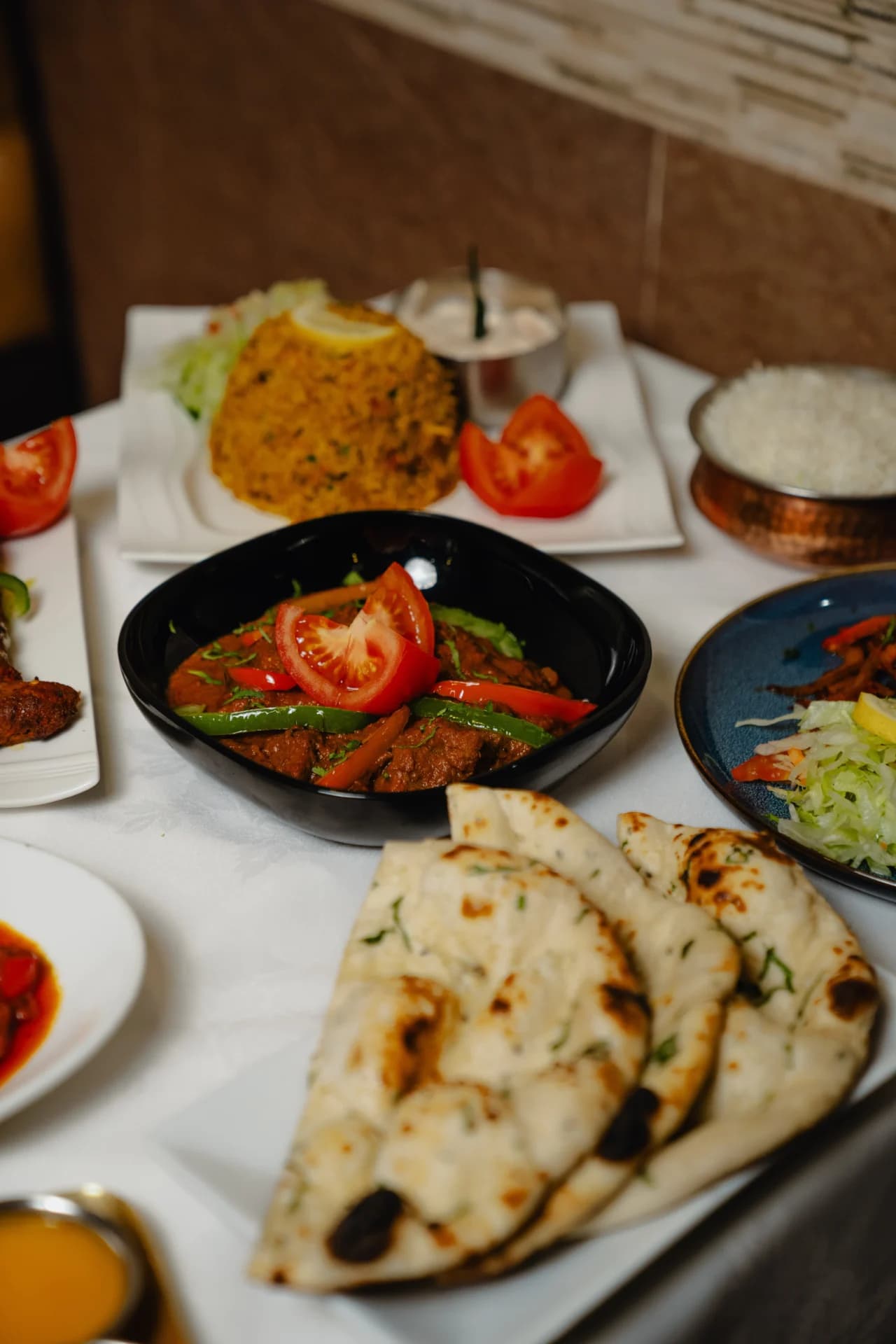
Great Indian food isn’t just about taste; more importantly, texture matters too. For example, crispy papads, soft naan, and creamy sauces offer contrast. As a result, chefs use this variety to keep every bite exciting. In turn, each element adds something new, creating a meal that feels complete.
Modern Takes on Classic Flavours: Gourmet Indian Harmony
Fusion Without Losing Roots
Today’s gourmet Indian chefs love to innovate. They mix global techniques with traditional Indian flavours. For example, tandoori salmon with dill yoghurt or masala risotto. These dishes still respect the core idea - balance. Spices are present, but never overwhelming. The result is modern, refined, and deeply satisfying.
Spotlight on British-Indian Dining
Across the UK, many restaurants celebrate this style of cooking. Places like Vatavaran or Kutir offer carefully crafted Indian dishes. They show how heat and harmony can co-exist on a fine dining plate. These venues honour tradition while embracing a modern touch.
Final Thoughts
Indian gourmet food is more than just spicy. It’s a careful mix of heat and harmony. Skilled chefs layer spices, use smart techniques, and add cooling elements for contrast. Each dish tells a story - one of balance, culture, and flavour. So next time you enjoy an Indian meal, look beyond the heat. Notice the calm that comes with it. That’s the magic of harmony.