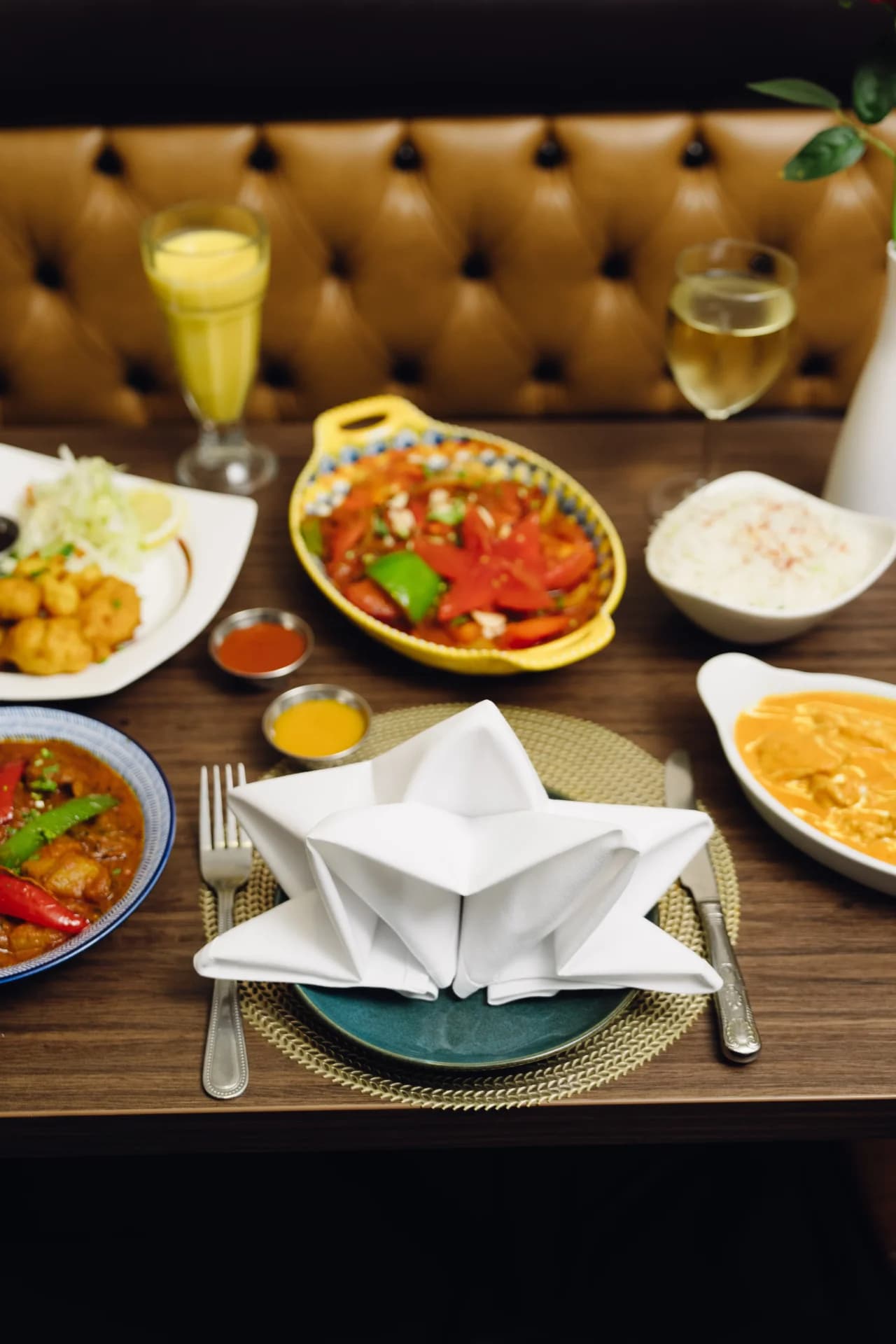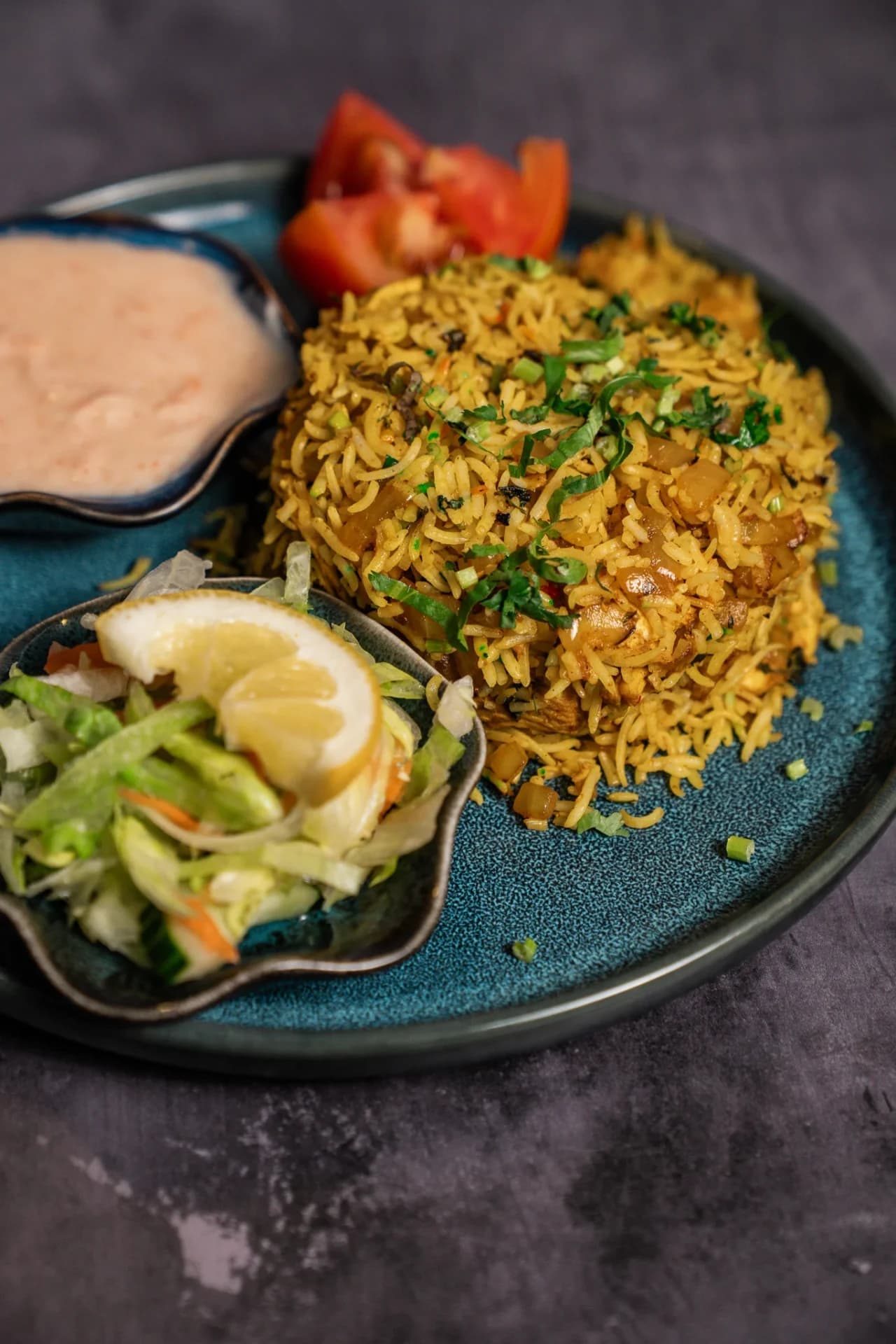
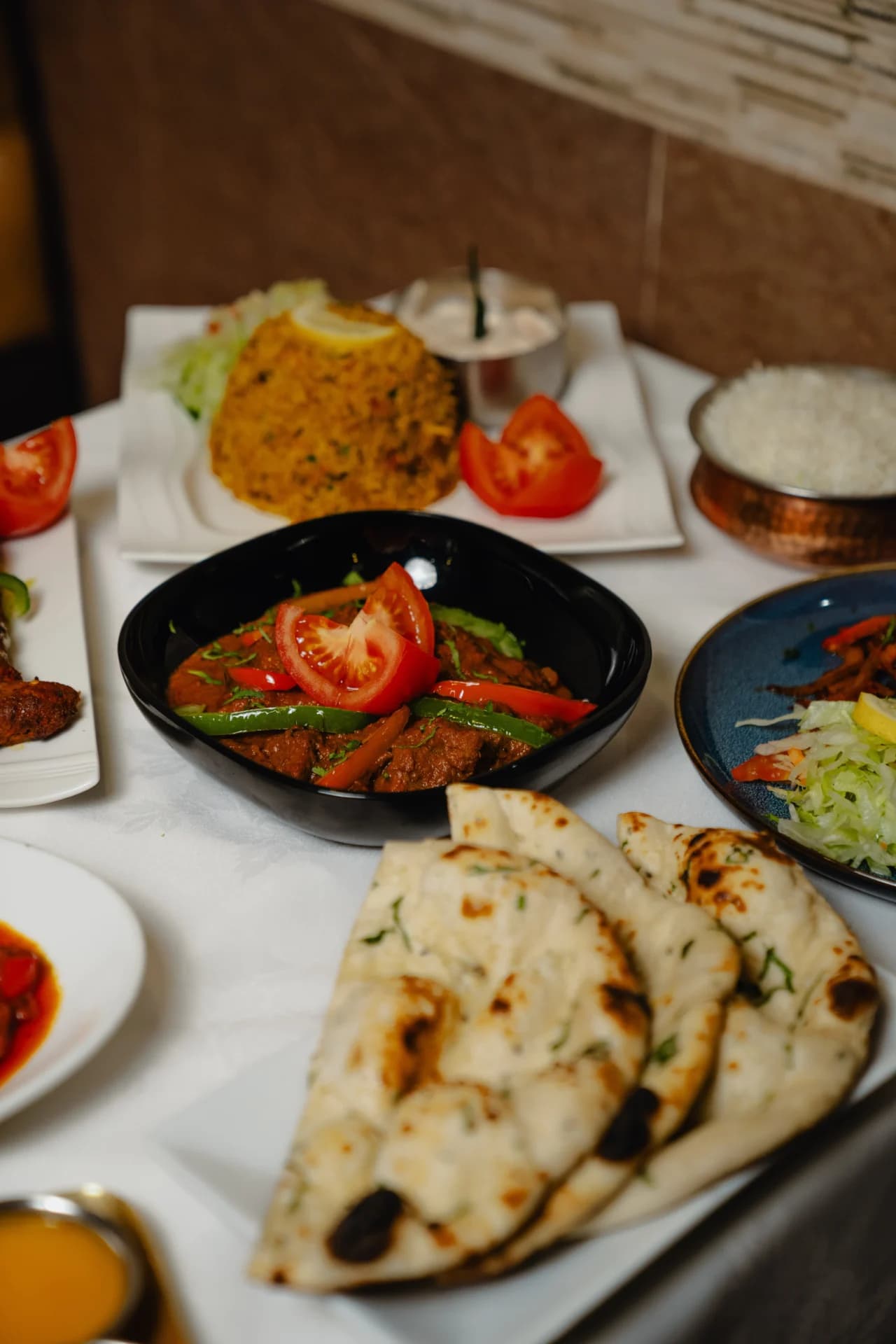
Modern Indian gastronomy thrives on balance, blending traditional recipes with innovative ideas to create exciting gourmet experiences. Chefs across the country celebrate age-old recipes while embracing bold modern ideas. Today, gourmet kitchens blend innovation with tradition, creating unique dining experiences. This movement is reshaping India’s culinary identity.
The Timeless Pull of Tradition
 Indian cuisine carries centuries of history. Each region offers dishes tied to culture, festivals, and family traditions. Spices such as turmeric, cumin, and cardamom remain central. These ingredients define flavours passed down through generations.
Moreover, traditional techniques like slow cooking in clay pots or wood-fired tandoors remain vital. They preserve authenticity while evoking nostalgia. Diners often crave these familiar tastes, reminding them of home and heritage.
The Rise of Modern Indian Gastronomy
At the same time, Indian chefs constantly push boundaries. They experiment with global flavours, modern equipment, and inventive plating styles. As a result, they give familiar dishes new life.
For example, classic butter chicken can appear as bite-sized spheres with molecular gastronomy. Similarly, biryani may arrive sealed in edible parchment. These techniques delight diners while sparking curiosity.
Global Influences Meet Indian Roots
Many kitchens also draw from international cuisines. Japanese precision, French presentation, or Mediterranean ingredients often merge with Indian recipes. This exchange fosters creativity.
Chefs craft dishes like miso-infused dal or sushi rolls wrapped in spiced rice. Such fusions respect tradition while inviting new audiences. Global travellers in India often enjoy these crossovers.
Modern Indian Gastronomy with Responsibility
Modern Indian gourmet kitchens also consider health and sustainability. Chefs reduce excess oils, highlight seasonal produce, and explore plant-based alternatives. Consequently, diners enjoy lighter and more conscious meals.
For instance, millet and quinoa replace refined grains. Cold-pressed oils take the place of heavy frying. This shift aligns with global wellness trends without losing flavour.
Sustainable Practices
Restaurants increasingly source ingredients locally. This reduces carbon footprints and supports regional farmers. Moreover, menus adapt to seasonal availability, ensuring fresher dishes. Thus, sustainability complements creativity.
The Role of Technology in Kitchens
Technology also shapes India’s gourmet spaces. Smart ovens, precision cookers, and sous-vide machines enhance consistency. Chefs save time while perfecting flavours.
Additionally, social media plays a crucial role. Eye-catching presentations photographed for Instagram increase visibility. Online buzz helps gourmet kitchens attract a younger, digital audience.
The Experience of Modern Indian Gastronomy
 Modern diners seek more than just food. They want stories, theatre, and emotion in every meal. Gourmet restaurants respond by curating immersive experiences.
Chefs often share dish origins at the table. Some even showcase live cooking, smoke-infused plating, or interactive tasting menus. These touches create lasting memories.
Tradition as a Storytelling Tool
Storytelling strengthens the dining experience. A simple recipe, explained with its history, feels more meaningful. Guests connect not only with taste but also with culture.
Challenges in Blending Old and New
Despite success, balancing innovation and tradition remains challenging. Too much experimentation can alienate diners. On the other hand, clinging to tradition may appear outdated.
Therefore, chefs must walk a fine line. They need to respect heritage while offering fresh excitement. Constant research and feedback guide them forward.
The Future of Modern Indian Gastronomy
Looking ahead, Indian gourmet kitchens will likely deepen this fusion. They will embrace technology, sustainability, and global inspiration even more. Yet, they will always return to roots for guidance.
Chefs know that tradition gives food its soul. Innovation, meanwhile, keeps the journey alive. Together, they form the essence of culinary alchemy.
Conclusion
India’s gourmet kitchens tell a remarkable story. They merge ancient wisdom with daring ideas, delighting both locals and visitors. With every dish, chefs show how tradition and innovation can coexist. This harmony defines the future of Indian dining.