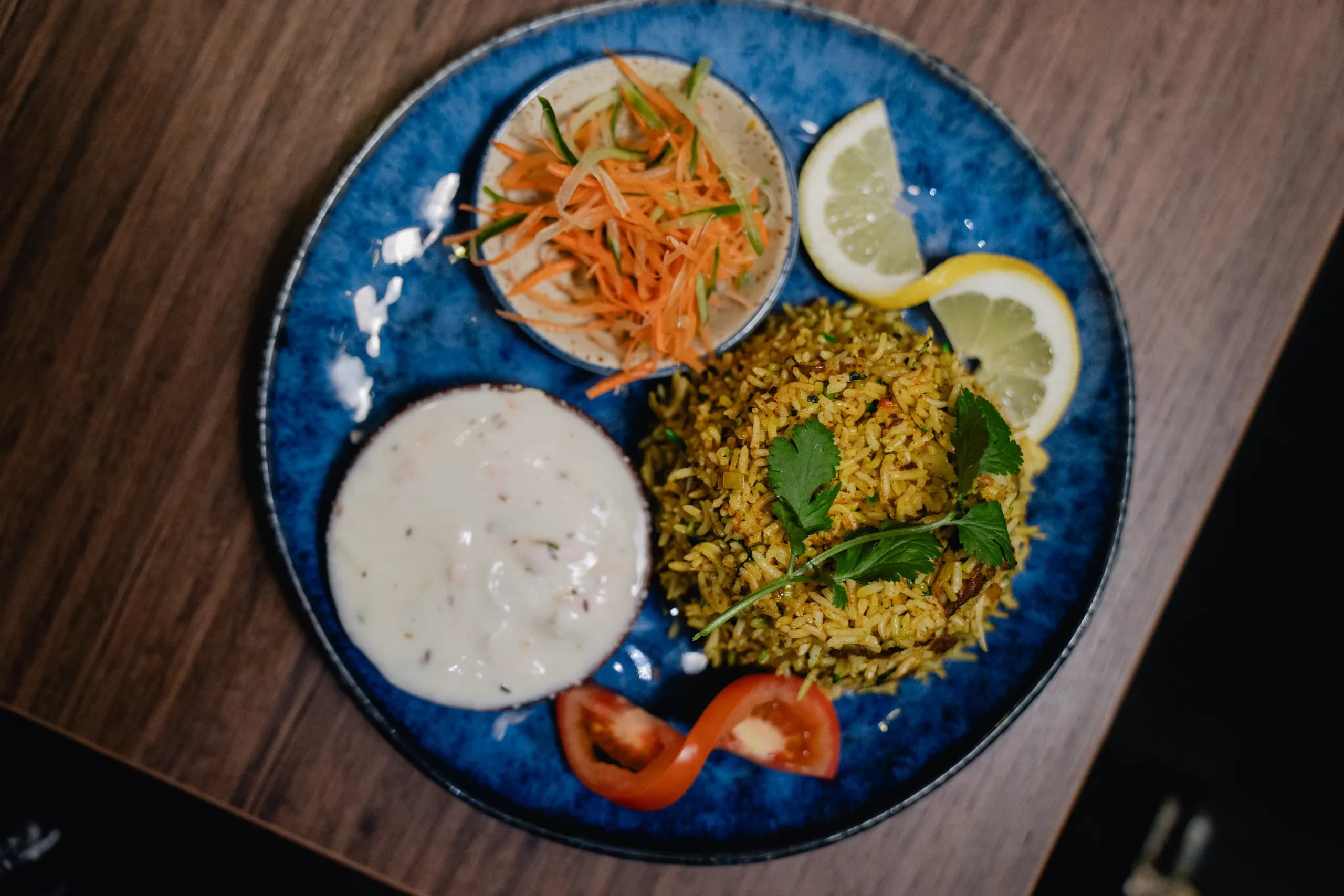
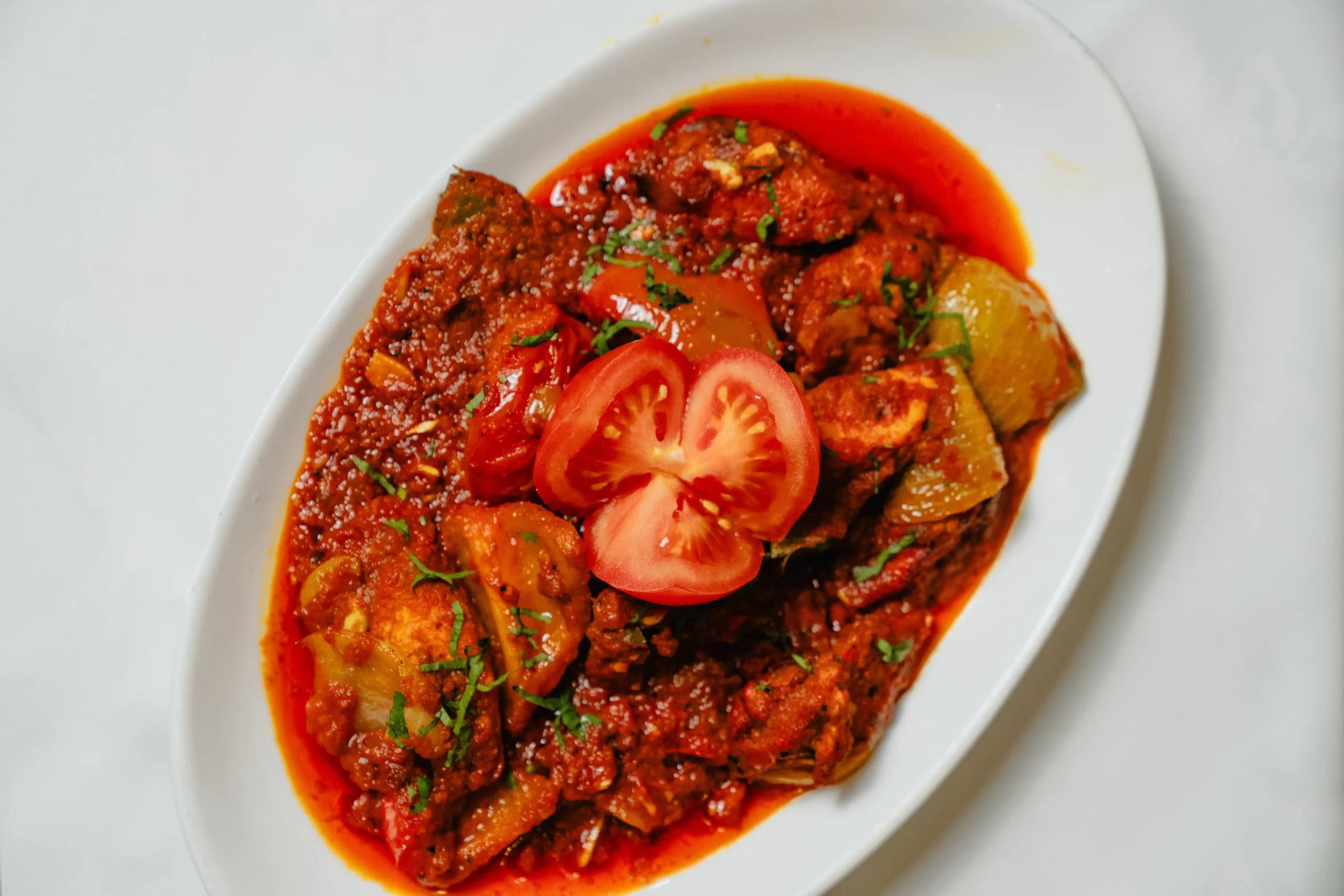
Indian flavour science explains why this cuisine stands out for its bold, rich, and unforgettable taste around the world. It is not just about spice or heat - it’s about deep layers of flavour that work together in perfect balance. But what makes Indian cuisine so addictive? And how are top fine dining restaurants using this to create next-level dishes? Let’s take a closer look at the science behind Indian flavour and why it keeps people coming back for more.
The Secret Starts with Chemistry: Indian Flavour Science
It’s All About Negative Pairing
 Unlike many global cuisines, Indian food rarely combines ingredients with similar flavour compounds. Most recipes mix ingredients that share very few aromatic molecules. This is called negative flavour pairing.
For example, tomatoes and tamarind taste nothing alike, yet they often appear together in a curry. This contrast creates a layered, unexpected experience that excites your taste buds.
By mixing opposites, Indian dishes avoid being flat. Instead, they keep you curious with every bite.
Spice Chemistry at Work
Spices do more than add heat. Each one contains natural compounds that affect taste, smell, and even how you feel.
- Chilli holds capsaicin, which activates pain receptors and releases endorphins.
- Cinnamon has cinnamaldehyde, giving a warm, sweet note.
- Clove contains eugenol, adding depth and warmth.
Together, these spices don’t just flavour a dish - they trigger a chemical reaction in your brain. That’s one reason Indian food feels so satisfying.
Layering Flavours: A Culinary Art Form
The Tadka Technique
Indian cooking builds flavour in layers. One classic method is tadka, or tempering. It starts by heating oil or ghee, then adding whole spices like cumin, mustard seeds, or fenugreek. These release oils and aroma quickly.
Next, ingredients like onions, garlic, and ginger join the mix. These base notes create depth and carry the spices through the dish.
Finally, liquids like tomatoes, yoghurt, or coconut milk bring it all together. The result is a flavour that’s not just bold, but built from the ground up.
Timing and Sequence Matter
The order in which ingredients are added changes everything. For example, adding coriander seeds early gives a mild, earthy tone. But adding them later keeps their citrusy bite.
Fine dining chefs pay close attention to this sequence. Each step adds a layer, like a song building to its chorus.
The Role of Neurogastronomy
Why Your Brain Loves Curry
Neurogastronomy is the study of how the brain understands flavour. It combines food science, smell, taste, and memory.
Indian food stimulates all your senses. Warm spices trigger smell. Tangy notes excite your tongue. Creamy textures offer comfort. This full-body experience lights up your brain’s reward system.
Studies show that combining spice, fat, and aroma creates stronger cravings. That’s why a rich curry with naan or rice can feel so addictive.
Memory and Emotion in Every Bite
Flavour is closely tied to memory. The smell of cardamom or curry leaves may remind you of home or travel. These emotional connections make the food even more satisfying.
Fine dining chefs often use this effect. By updating traditional dishes with modern techniques, they create meals that feel both new and familiar.
How Fine Dining Enhances the Experience: Indian Flavour Science
Precision and Presentation
 High-end Indian restaurants take traditional flavour science and refine it. They use sous-vide cooking, foams, and plating techniques to elevate the experience.
But the flavour rules stay the same. Negative pairing, layering, and spice chemistry still guide the dish. The goal is to wow both the palate and the eye.
For example, a street-style chaat may appear as a crisp pastry filled with foam, chutney pearls, and micro herbs. It looks different, but the flavour core stays true.
Seasonal and Local Ingredients
Many fine dining Indian chefs now use local British produce. They apply Indian techniques to seasonal ingredients like asparagus, beetroot, or rhubarb.
These swaps don’t reduce authenticity. In fact, they highlight the versatility of Indian flavour science. A beetroot tikki spiced with cumin and served with mint chutney still tastes deeply Indian.
Spice as Medicine: Another Layer to Love
Indian food also draws from Ayurveda, an ancient health system. Spices are not just for taste - they heal and support the body.
- Turmeric has curcumin, known for its anti-inflammatory benefits.
- Ginger soothes digestion and boosts immunity.
- Black pepper helps the body absorb nutrients better.
Modern chefs embrace this by crafting meals that feel indulgent yet balanced. The result is food that satisfies the soul and supports the body.
Why It All Matters: Indian Flavour Science
Indian food is addictive not because of sugar, fat, or marketing - but because of thoughtful design. It balances contrast and comfort. It plays with scent, memory, and taste. And it respects both the science and soul of cooking.
Fine-dining restaurants take this to the next level. They preserve the roots of the cuisine while using modern tools and creativity. This keeps Indian food exciting, elegant, and emotionally rich.
Conclusion: A Delicious Chemistry
The magic of Indian flavour lies in its smart use of science. From the way spices interact to how flavours are built in layers, everything has purpose. It’s not just cooking - it’s chemistry with feeling.
As fine-dining restaurants embrace this approach, they offer more than meals. They offer stories, memories, and full-sensory experiences. No wonder it’s so addictive.
So next time you dive into a well-crafted curry or try a modern Indian tasting menu, remember - there’s a whole world of science behind that spoonful.experience