"Fine dining" can sound like white tablecloths and tiny portions. Fine Indian dining is something warmer: serious cooking, generous flavour, gracious hospitality and a room that makes you want to stay. It is a meal where every part of the evening, from the welcome to the last piece of naan, has been thought about. Here is what to look for, and what it means to us.
It starts in the kitchen
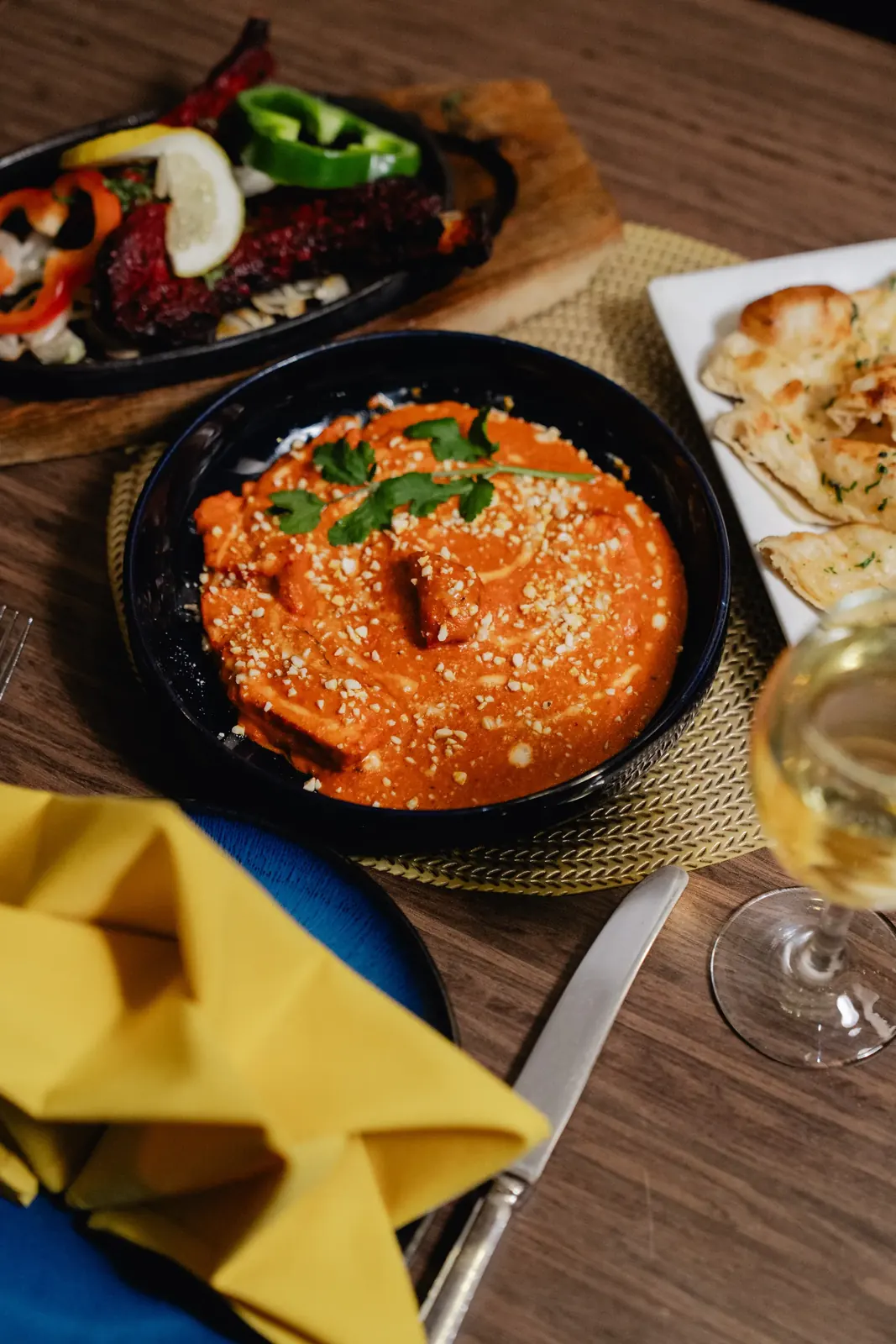
Fine Indian food is not about rare ingredients or fussy plating. It is about doing the fundamentals properly: spices ground for freshness, marinades given time, sauces built slowly rather than rushed, and a tandoor run hot enough to char and seal. The difference between a good curry and a great one is almost always patience.
Balance matters just as much. A well-made Indian dish layers spice rather than piling it on, so you taste warmth, sourness, sweetness and aroma rather than just heat. Our pieces on garlic and ginger and the tandoor go into the building blocks.
Regional, not generic
India is not one cuisine but dozens. A kitchen worth its salt cooks with that in mind: Punjabi tandoor, Mughlai braises, Kashmiri curries, the spice of Chettinad and the coconut and seafood of the coast. Breadth like that lets one kitchen feed a quiet supper for one and a celebration for twelve.
Hospitality at the heart of it
Indian hospitality has a long tradition behind it. The Sanskrit phrase "atithi devo bhava", usually translated as "the guest is god", is often quoted to explain it. You don't need garlands or ceremony to feel it. You feel it in a genuine welcome, in staff who know the menu and can talk you through it, and in a table that is looked after without being hovered over.
Good service in an Indian restaurant also means guidance. Many guests are unsure about spice levels or how much to order, and a good server reads the table, suggests a balance of dishes and checks in without interrupting. Our guide on how to order Indian food covers the basics if you like to arrive prepared.
The room matters
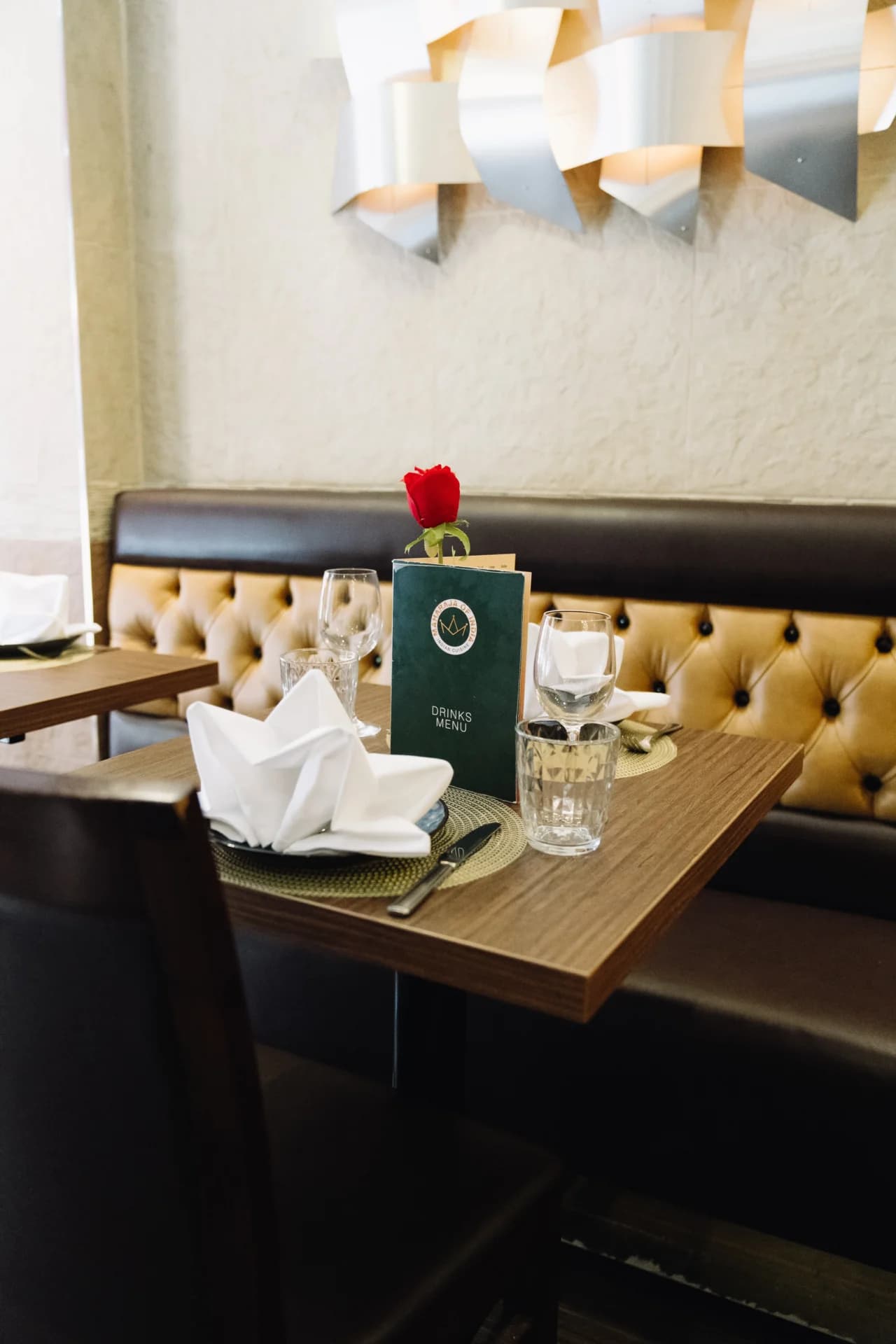
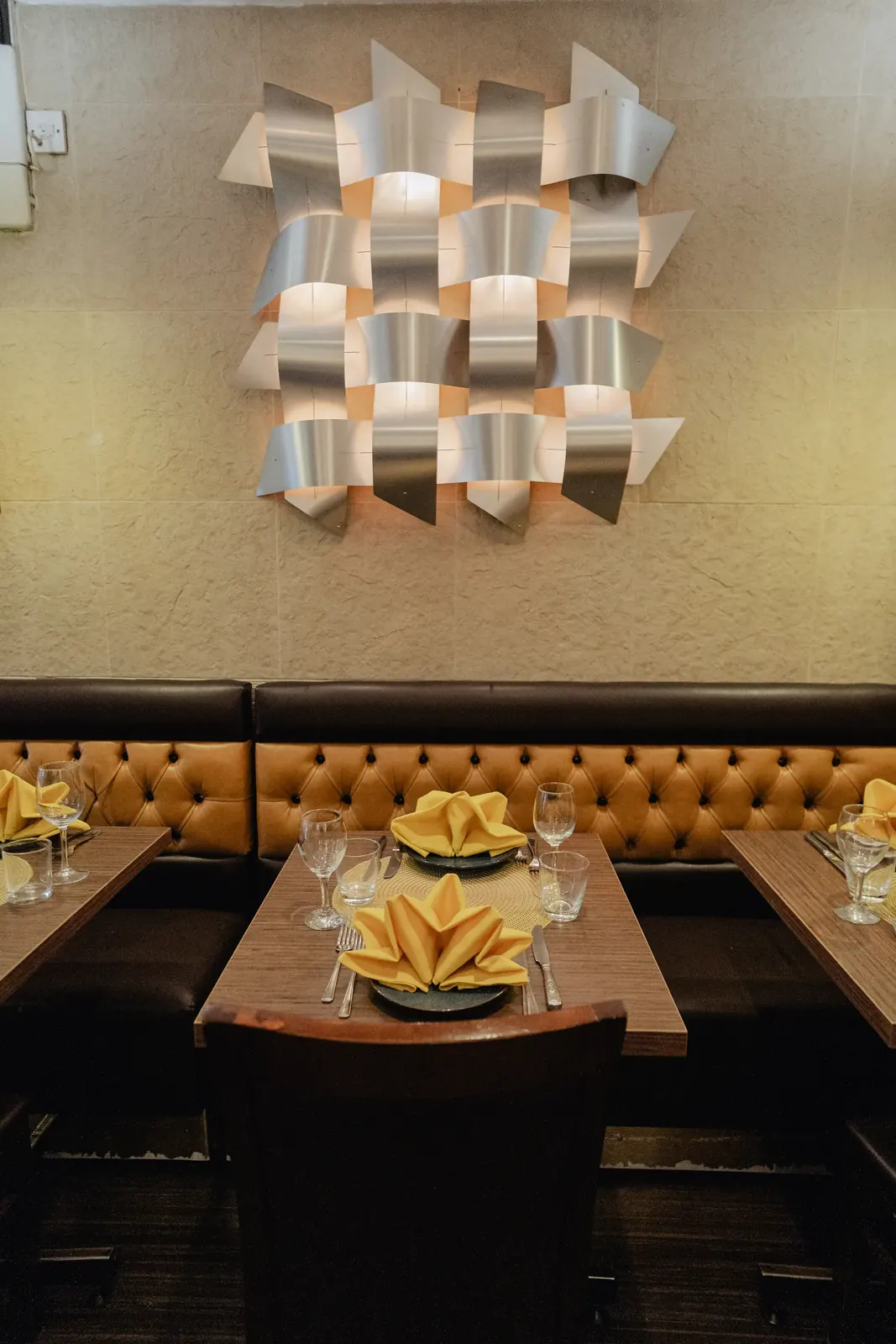
Fine dining is also about how a place feels. Comfortable seating, considered lighting and a room where you can hear each other all make a difference. The best Indian dining rooms balance a sense of occasion with ease: somewhere you can linger, talk and order another round of breads without feeling rushed.
Some restaurants add rituals, such as warm towels or a small palate cleanser between courses. They can be charming, but they are the garnish, not the meal. What makes a room memorable is warmth, comfort and the smell of good cooking.
The pleasure of sharing
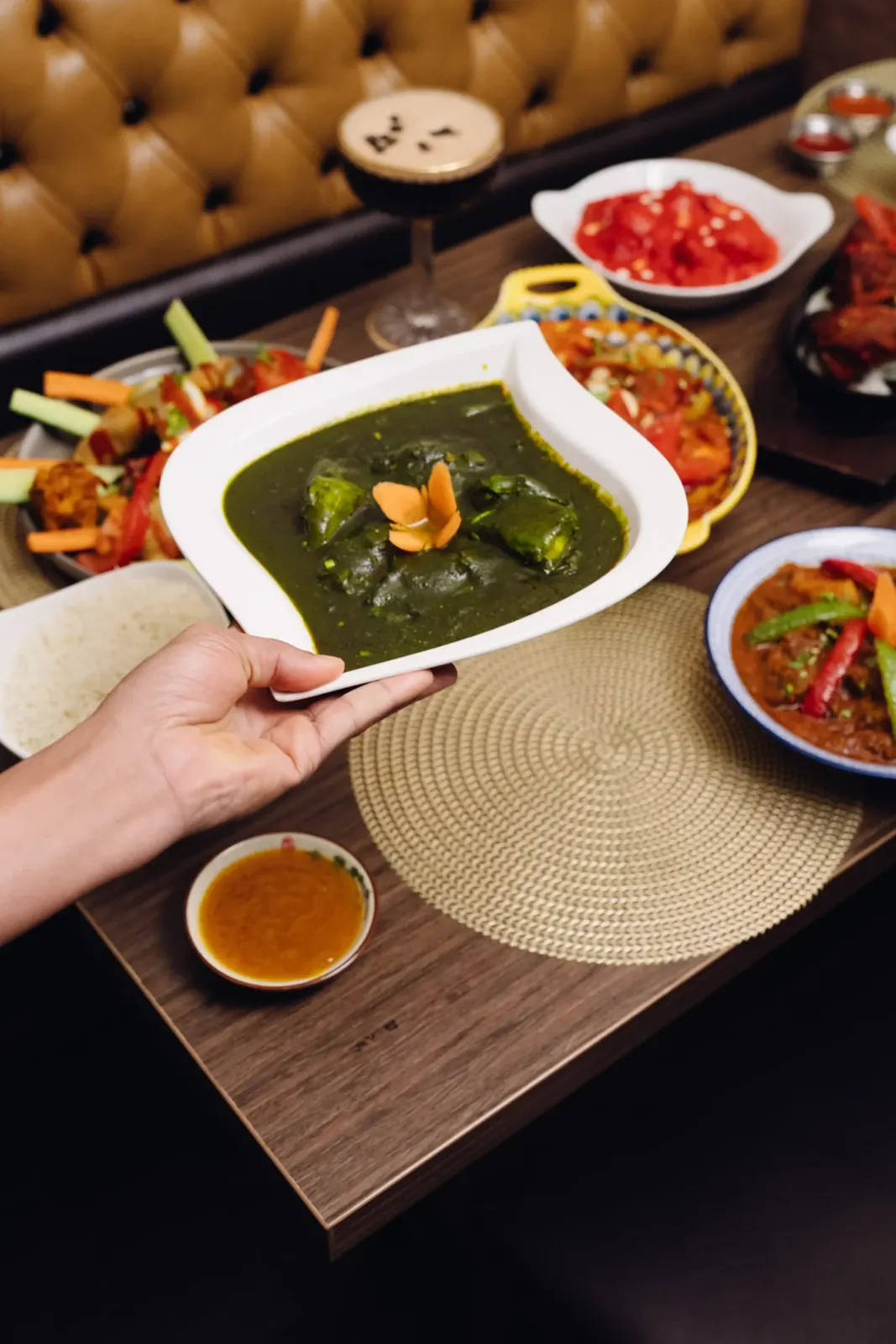
Western fine dining often means one plate each, course by course. Indian dining at its best is more generous: dishes in the middle of the table, breads torn and passed, everyone trying a little of everything. That sense of sharing is part of what makes it special. See our pick of the best Indian dishes for sharing.
How to recognise it
- The menu has range. Look for regional dishes alongside the classics, and a proper tandoori section.
- The breads are fresh. Naan should arrive hot, blistered and soft from the oven.
- The sauces differ. A korma, a madras and a jalfrezi should taste like three different dishes, not one base with more or less chilli.
- Staff can guide you. Ask about heat or a dish you don't know, and you should get a clear, confident answer.
- You don't want to leave. The best sign of all.
Worth the occasion, right for the everyday
The best Indian restaurants work as well for a Tuesday supper as for an anniversary. That is the standard we aim for: food good enough for a special night, served with enough ease that you don't need an occasion to come.
Where to find it
Maharaja of India was established in 1960, with its restaurant at Charing Cross, a short walk from Soho. Browse the menu, or for a special occasion see private dining. Bringing a party? Our group set menu offers three levels, from Classic to Royal. Book a table and see what fine Indian dining means to us.