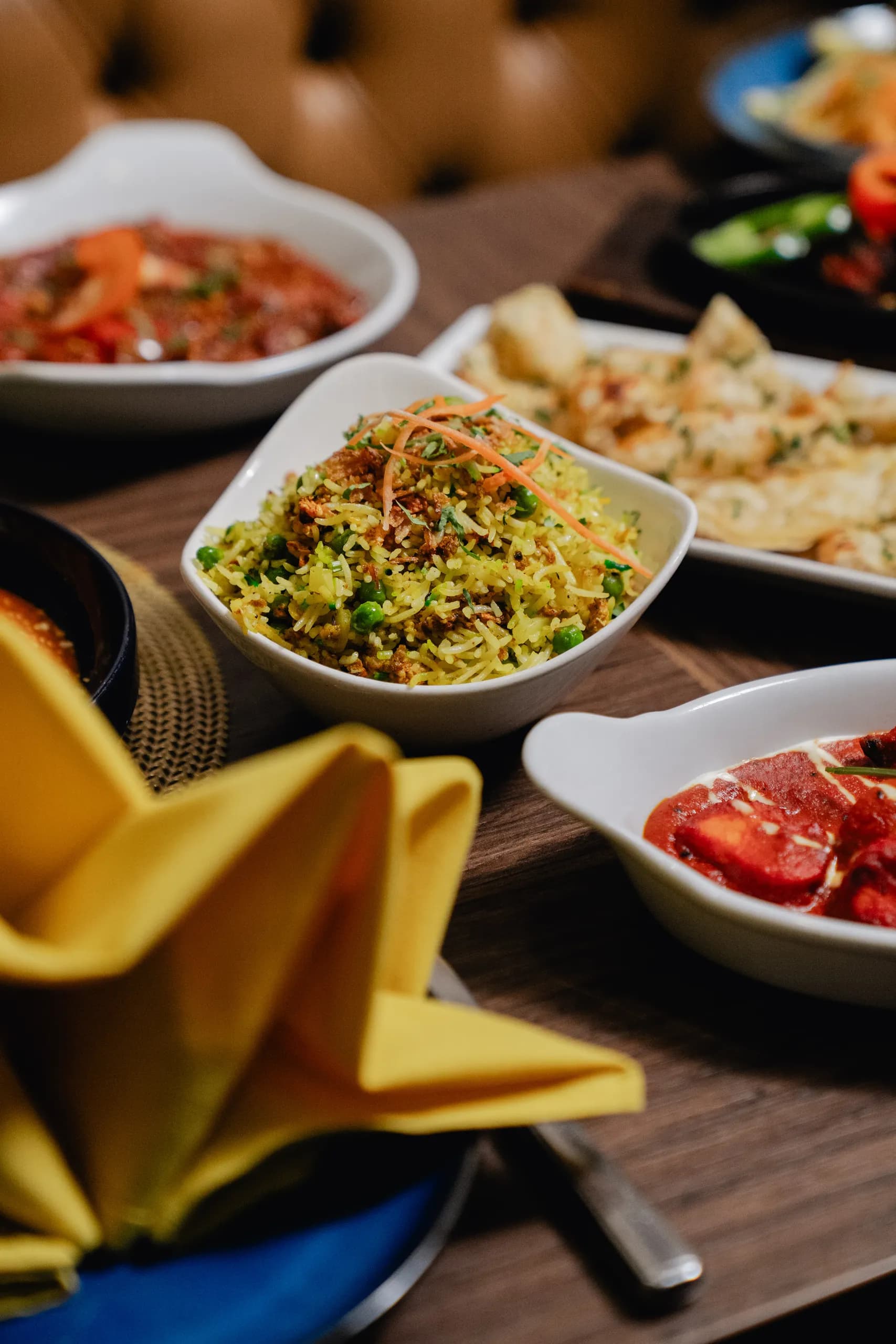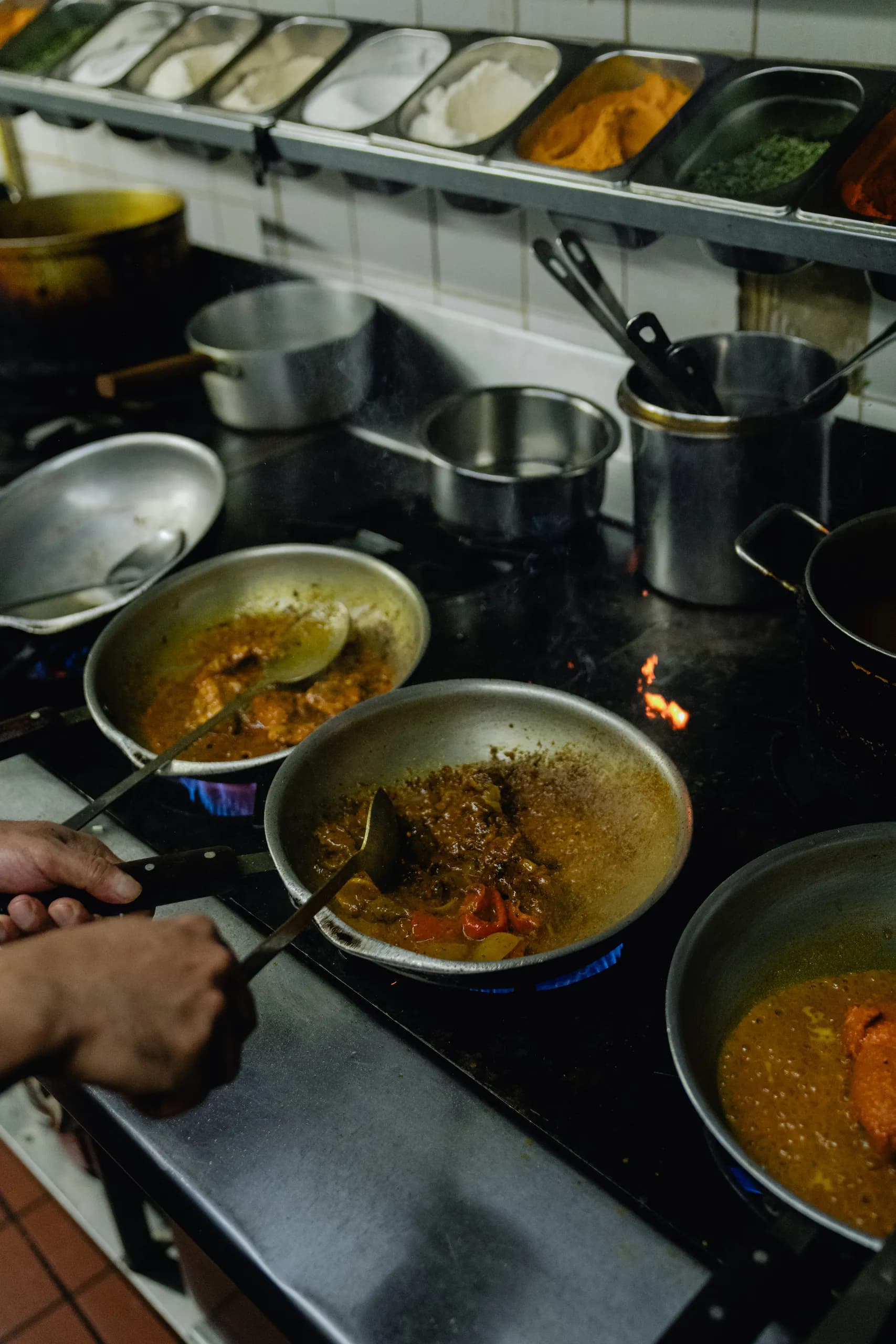
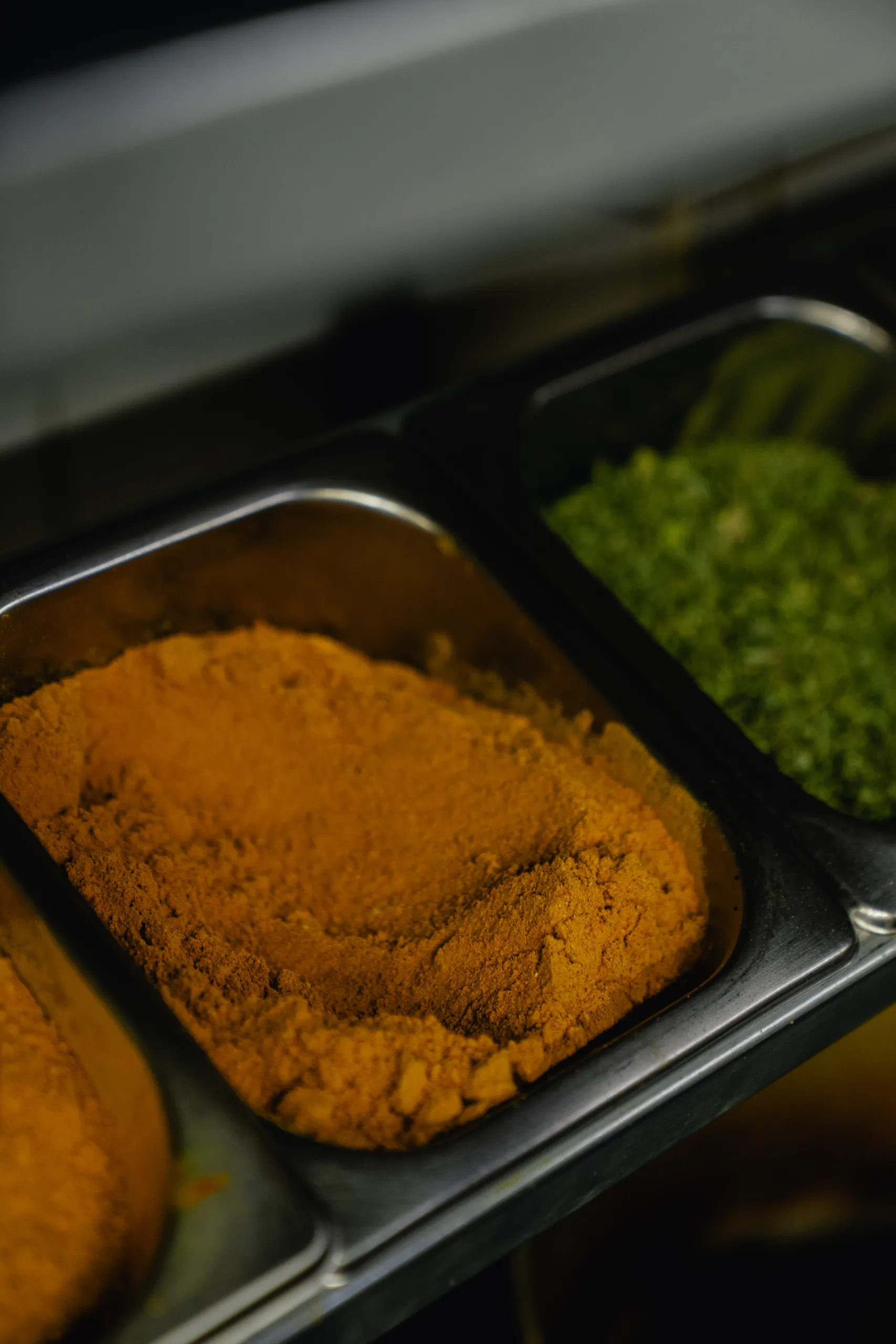
Danshak is one of those curries that is easy to skip on a long menu simply because the name does not explain what it is. Put simply, it is a fairly hot curry with a thick lentil sauce and a distinct sweet and sour flavour. At our restaurants in Charing Cross and Soho, you can have it with chicken, lamb, paneer or king prawn.
You will see the name spelled several ways: dhansak, dansak and danshak are all common, and our menu uses Danshak. Whatever the spelling, if you like a curry with body, tang and a bit of heat, it is well worth a try.
Where Danshak comes from
The dish is usually traced to the Parsi community of western India, whose cooking is often said to blend Persian influences with Indian ingredients. In Parsi homes, a dhansak is generally described as a substantial dish of meat cooked with lentils and vegetables, and it is often associated with family meals and special occasions.
The version most diners in Britain know developed in curry houses, where it became a lentil-based sauce that could be paired with different meats and seafood, sweetened and soured to taste and given a good level of heat. Our Danshak belongs to that tradition, and it sits on the menu alongside other classic sauces such as Madras, Bhuna, Rogon and Pathia. If you enjoy following how dishes change as they travel, our guide to regional Indian cuisine is a good place to start.
What it tastes like
Think of three things happening at once:
- Lentils give the sauce its thick, almost velvety texture and an earthy depth.
- Sweet and sour notes keep it lively, so it never feels heavy despite the lentils.
- Heat lands at the fairly hot end of the scale. It is not one of the fiercest curries on our menu, but it is a clear step up from mild dishes.
The result is a curry that clings to rice and bread, and one that many people find more complex than a simple hot sauce.
Choosing your Danshak
Each of the four options brings something different:
- Chicken Danshak is a natural way to try it for the first time, with the lentils and sweet and sour sauce taking the lead.
- Lamb Danshak is richer, and the meat stands up well to the heat and the thick sauce.
- Paneer Danshak is a satisfying vegetarian main, and paneer soaks up the flavour of the sauce nicely.
- King Prawn Danshak is a little lighter, with the sweetness of the prawns working well against the sour edge.
What to order with it
Because Danshak already has lentils in its sauce, there is no need to add a separate dall. Instead, think about contrast:
- Rice: Coconut Rice softens the heat, and plain rice lets the sauce speak for itself.
- Bread: a Plain Naan or Tandoori Roti for scooping up the thick sauce. Our guide to Indian breads explains the differences.
- Something cooling: Raita on the side is a good idea if you are not used to the heat.
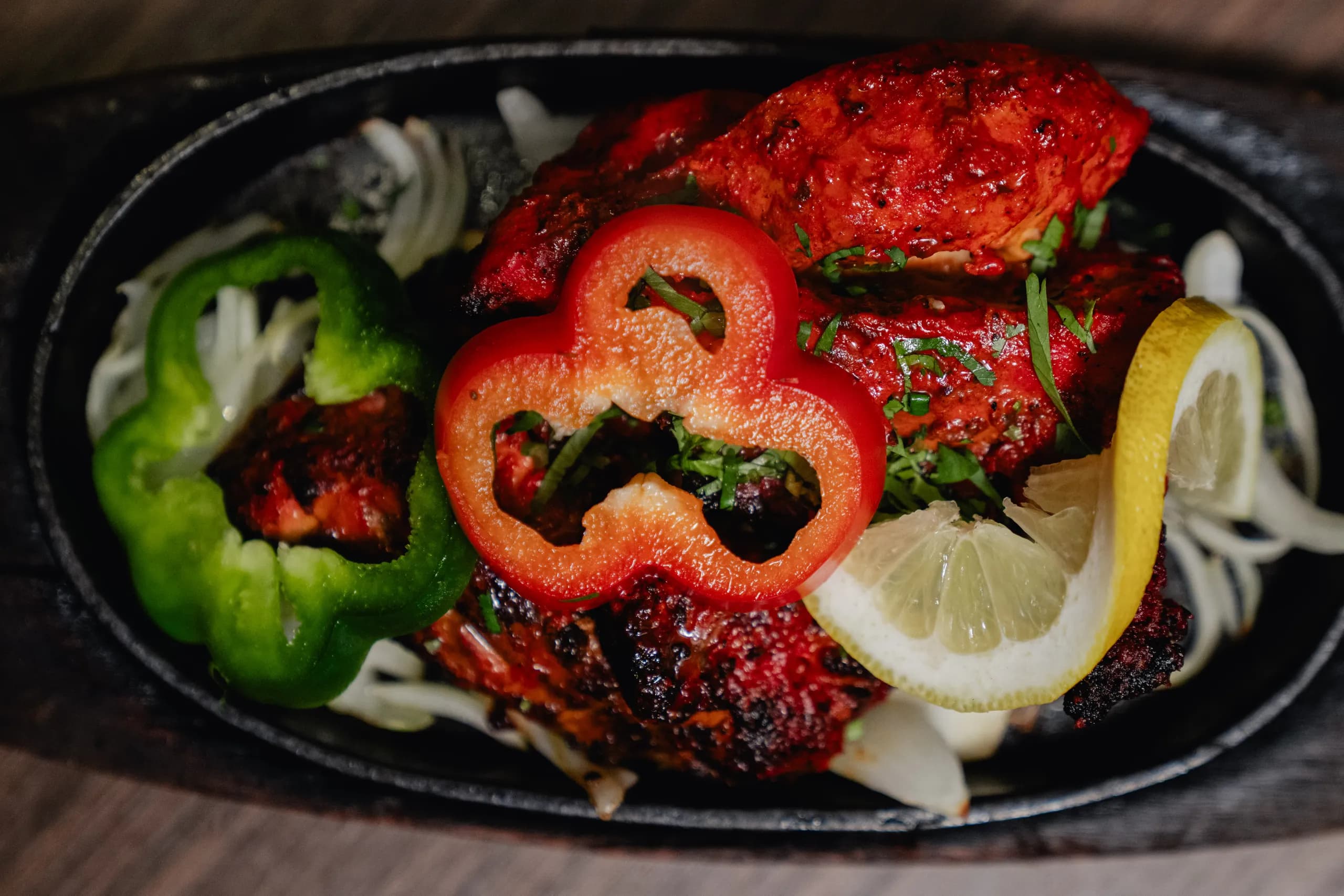
- A dry dish: something from the tandoor, such as Chicken Tikka or a Tandoori Chicken Sizzler, contrasts well with a saucy curry.
- A vegetable side: Bhindi Bhaji, Bombay Aloo or Aloo Gobi add texture without competing for attention.
Who will enjoy it
Danshak is a good pick if you find a Kurma too sweet and creamy but a very hot curry too much. It is also a smart choice for a sharing table, because its flavour is very different from the tomato and cream curries most people order. If you are building a meal for a group, our article on the best Indian dishes for sharing has more on getting the balance right.
If you have allergies or dietary requirements, please tell us about them when you book and our team will advise you. Our kitchen handles nuts, dairy, eggs, gluten, fish, shellfish, soya and sesame.
Book a table
Next time you are in the West End, look past the familiar favourites and give Danshak a try. You can browse the full menu before you come, and if you are seeing a show, our pre-theatre menu makes it easy to eat well and still make curtain-up. Book a table and we will see you soon.