A Patchwork of Regional Specialities
North to South: Contrasts and Compliments
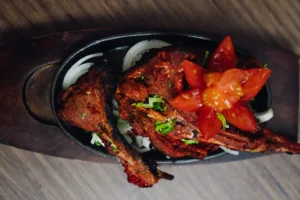 The diversity of India’s geography is echoed in its food. Travel north, and you’ll encounter luxurious gravies, spiced meats fresh from the tandoor, and an array of flatbreads - think pillowy naan and hearty roti. Head south and the culinary landscape transforms; here, rice reigns supreme, accompanied by coconut-infused curries and crisp dosas served alongside tangy chutneys.
The east brings a different kind of magic. Bengali kitchens are famed for their melt-in-the-mouth sweets - rasgulla and sandesh, to name a couple - alongside aromatic fish stews. In the west, boldness takes centre stage, whether in the sour notes of a Goan vindaloo or the gently spiced, steamed treats of Gujarat like dhokla.
Signature Ingredients: More Than Just Spice
What truly sets Indian food apart is its thoughtful use of spices and fresh ingredients. Turmeric, cumin, and cardamom are more than mere flavourings; they’re intertwined with India’s ancient wellness traditions. Fresh coriander leaves and mint offer a burst of brightness to balance deep, earthy flavours, ensuring every dish is as wholesome as it is delicious.
Timeless Cooking Techniques: Traditional Indian Cuisine
The Slow Art of Flavour
Many Indian dishes demand patience; after all, time is an essential ingredient. Consequently, stews and biryanis often simmer for hours, allowing spices and aromatics to develop remarkable depth. As a result, these dishes are deeply comforting, reminding us that good things come to those who wait.
Mastery of the Tandoor
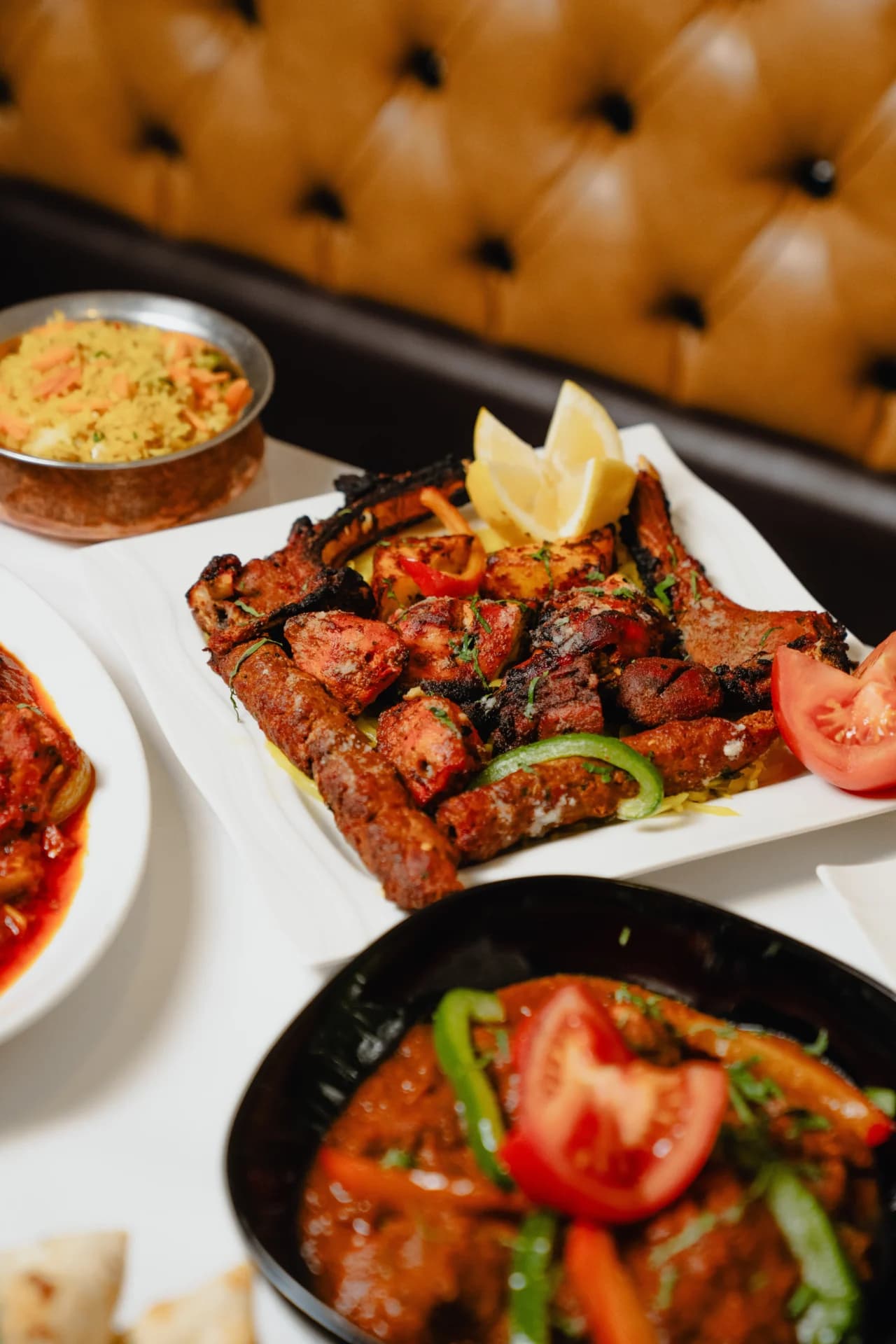
The tandoor - a clay oven used for centuries - remains a cornerstone of Indian cookery. Its fierce heat seals in juices and imparts a delicate smokiness, whether it’s charred naan, succulent tandoori chicken, or skewered vegetables. The tandoor is not just a cooking tool, but a symbol of communal dining and celebration.
Steaming: Preserving Purity
In the southern states, steaming is a favoured method, ideal for creating light, delicate bites. Steamed rice cakes (idlis) and sweet dumplings (modaks) are perfect examples, their subtle flavours and soft textures celebrated at breakfast tables and festivals alike.
Unmissable Dishes: India on a Plate - Traditional Indian Cuisine
The Many Faces of Curry
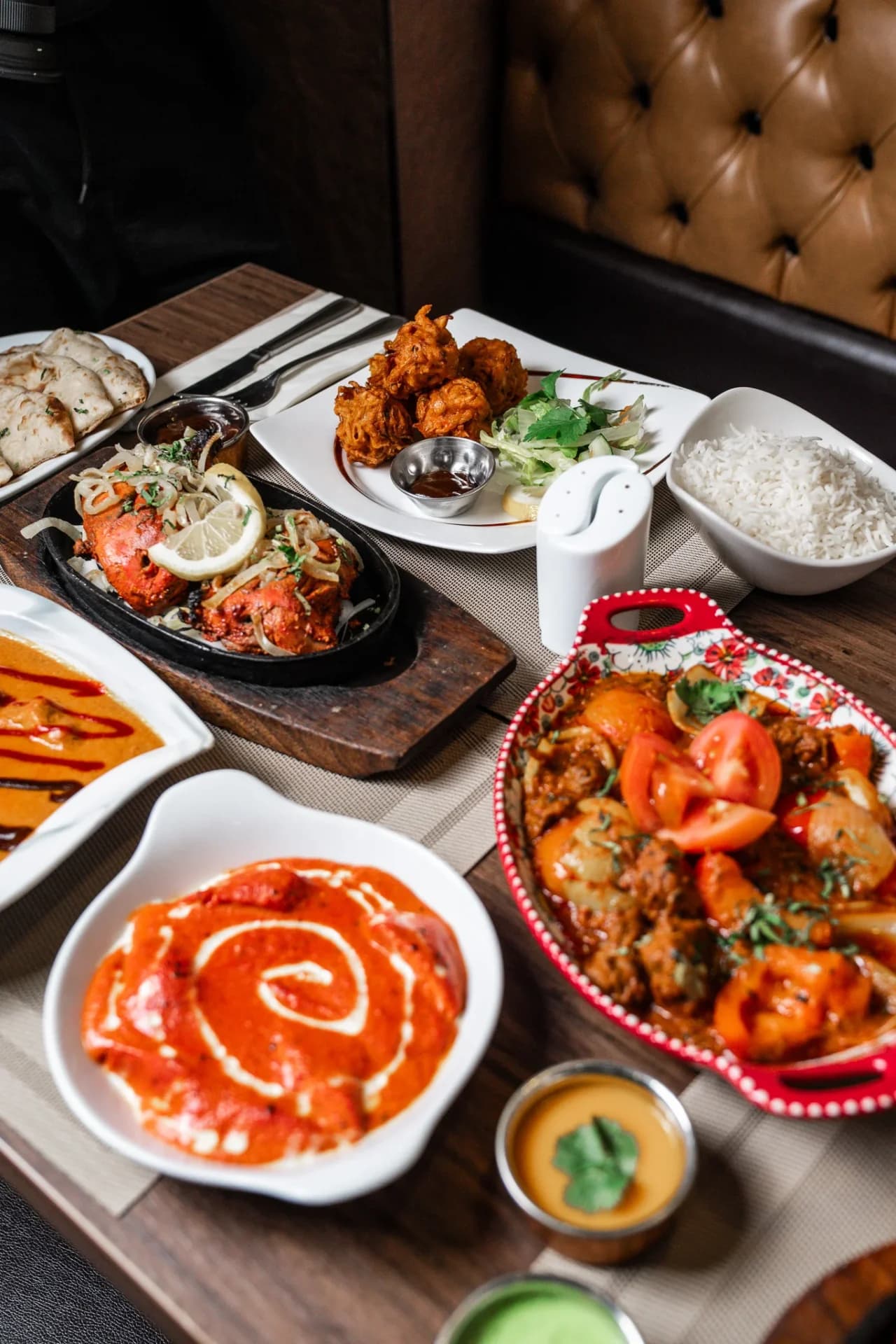
Ask anyone to name an Indian dish, and “curry” is likely to be their first answer. Yet, the word barely scratches the surface. Indian curries range from the buttery indulgence of murgh makhani (butter chicken) to fiery vindaloos and fragrant vegetable stews, each a celebration of balance and contrast.
Biryani: The Feast Dish
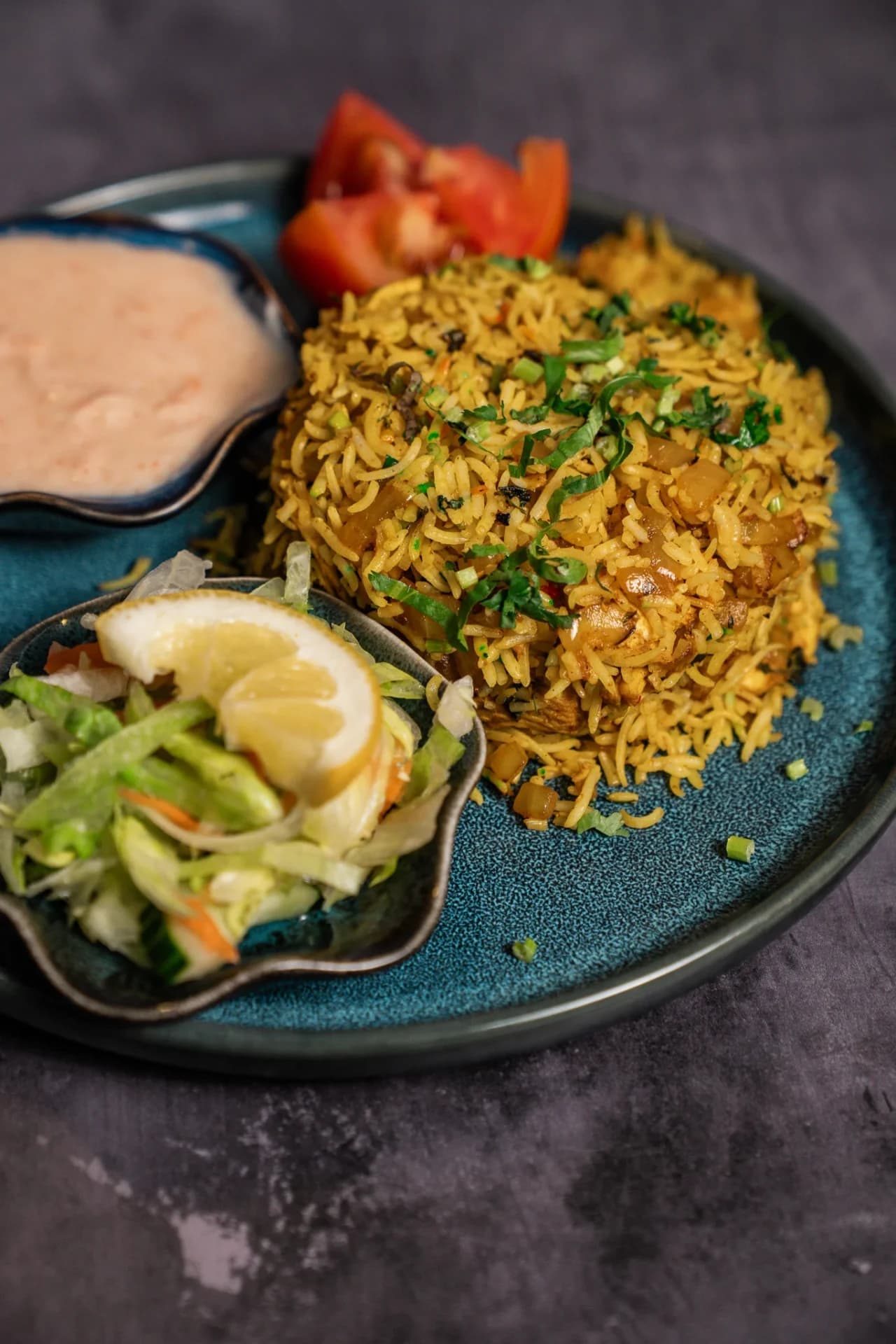
A true showstopper, biryani is synonymous with special occasions. Basmati rice is layered with marinated meat or vegetables, enriched with saffron, and slow-cooked until every grain is perfumed and fluffy. Served at weddings, family gatherings, and festivals, biryani is a dish to bring people together.
The Allure of Street Food
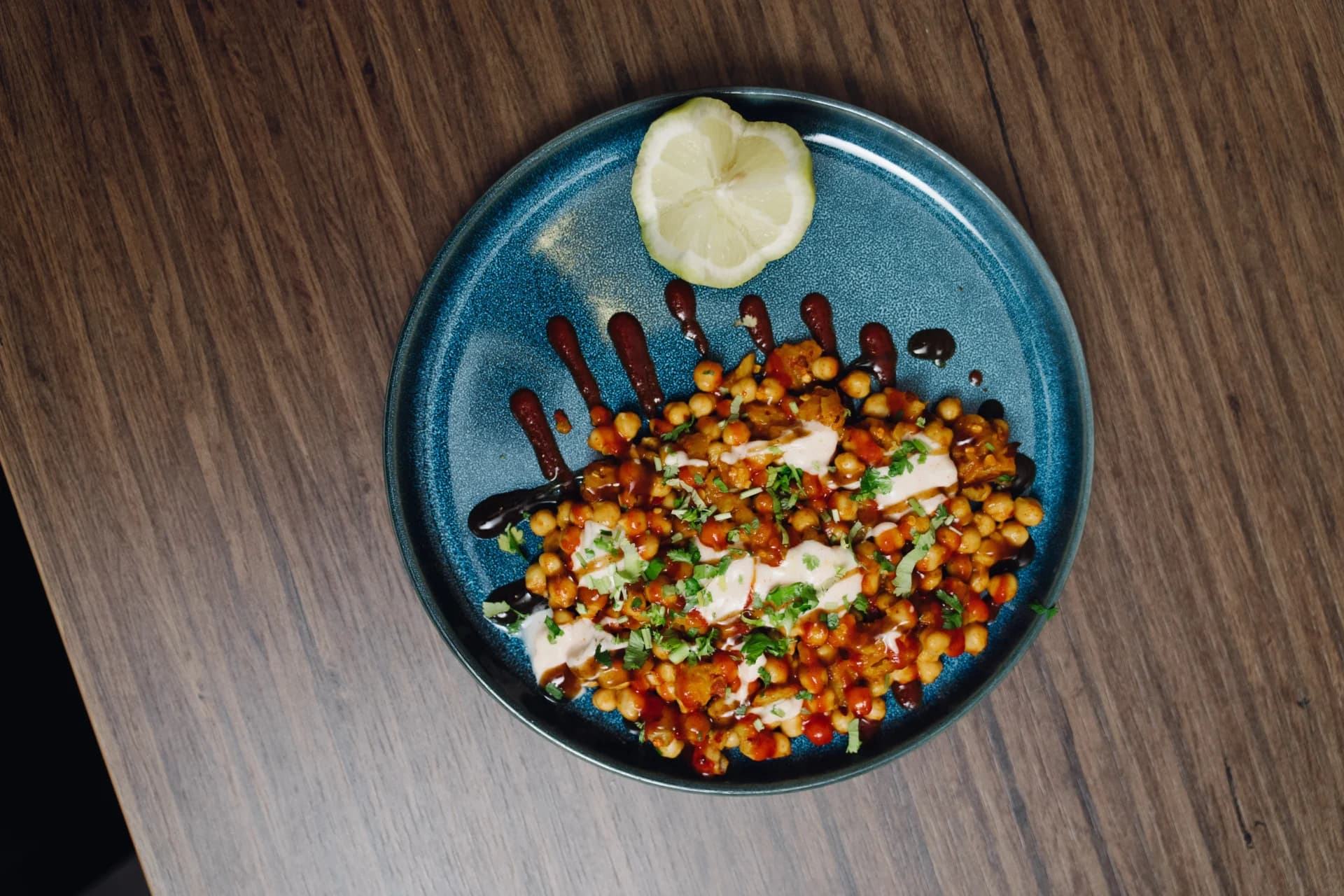
The real heartbeat of Indian food culture, meanwhile, pulses in its bustling streets. Here, vendors serve crispy samosas, tangy pani puri, and spicy pav bhaji, all bursting with flavour and texture. Therefore, sampling street food becomes an adventure - a journey through India’s cities, one mouthful at a time.
Sips of Tradition: Indian Drinks
Masala Chai: Spiced Comfort
 No Indian meal is complete without a cup of masala chai. This comforting tea, brewed with warming spices like ginger and cardamom, is a daily ritual for millions. Whether shared at home or at a roadside stall, chai is always an invitation to pause and connect.
Lassi: Cooling Refreshment
When the heat is on, there’s nothing quite like a glass of lassi. This traditional yoghurt drink can be sweet or savoury, sometimes flavoured with fruit - mango lassi is especially beloved. It’s the perfect companion to spicy curries, offering refreshment and a gentle counterpoint to bold flavours.
Nature’s Hydration: Coconut Water
In the coastal tropics, coconut water is the drink of choice. Served straight from the shell, it’s naturally hydrating and subtly sweet - a pure taste of India’s beaches and bustling markets.
Food as Culture: Beyond the Plate - Traditional Indian Cuisine
Celebrations Marked by Food
In India, food is at the heart of every celebration. Diwali, the festival of lights, sees families preparing elaborate spreads of sweets and savouries to share with friends and neighbours. During Holi, vibrant feasts accompany the joyous festivities, with specialities like gujiya bringing a sense of occasion.
Ritual and Reverence
Many Indian dishes demand patience; after all, time is an essential ingredient. Consequently, stews and biryanis often simmer for hours, allowing spices and aromatics to develop remarkable depth. As a result, these dishes are deeply comforting, reminding us that good things come to those who wait.
The Power of Family Meals
Mealtime in India is rarely a solitary affair. It’s a time for families to come together, pass down cherished recipes, and forge connections across generations. Every gathering, big or small, is an opportunity to celebrate heritage and create lasting memories.
Conclusion: Embracing the Indian Table
Indian cuisine isn’t just about what’s on the plate; rather, it’s a journey through history, geography, and community. Furthermore, with its dazzling variety of flavours, techniques, and traditions, Indian food offers something for everyone. Ultimately, for those willing to explore, every meal invites you to savour the culture and stories behind the spice.
So, gather your loved ones, try a new dish, and immerse yourself in the colourful world of Indian culinary traditions. There’s no better way to experience India than through its unforgettable food and drink.