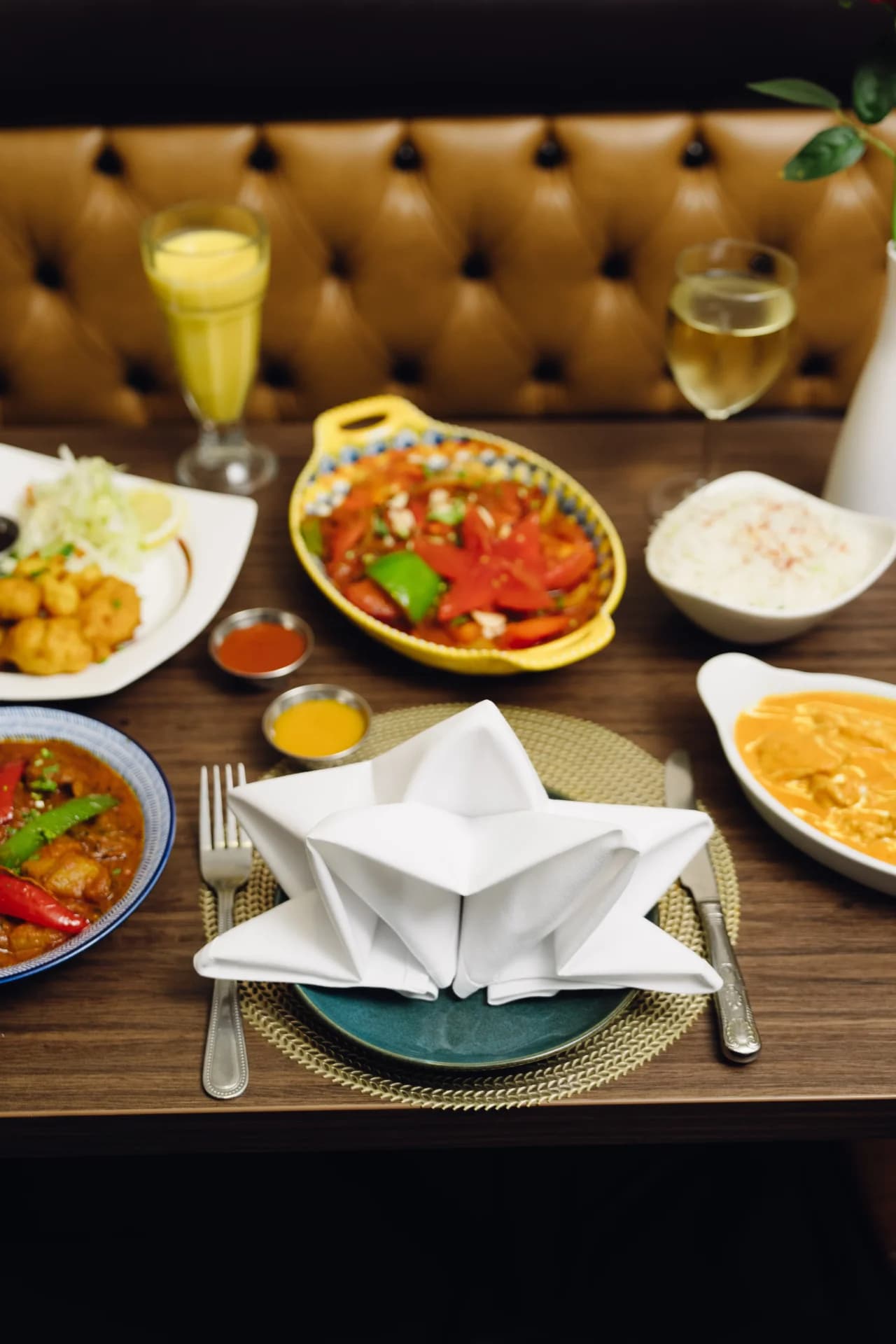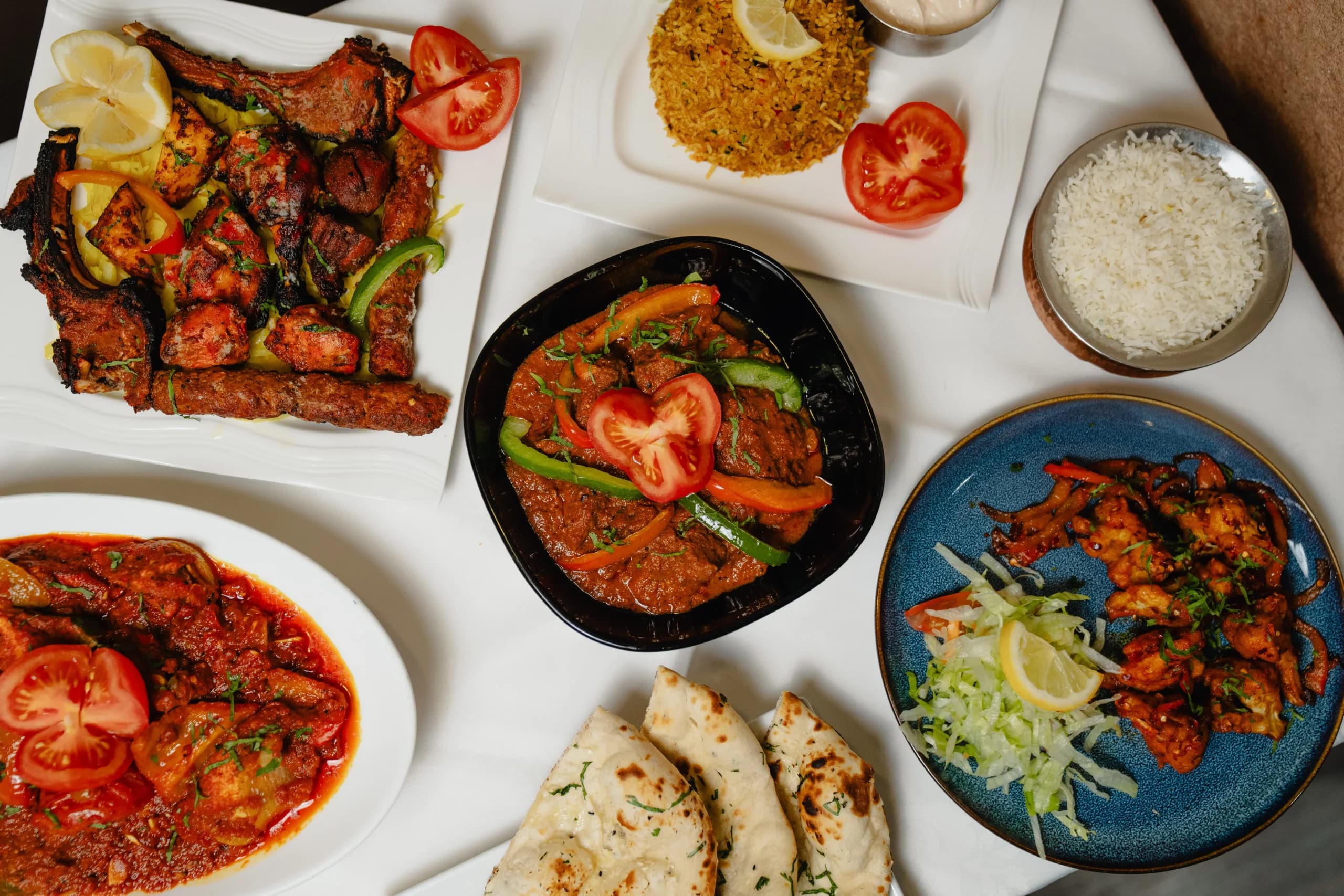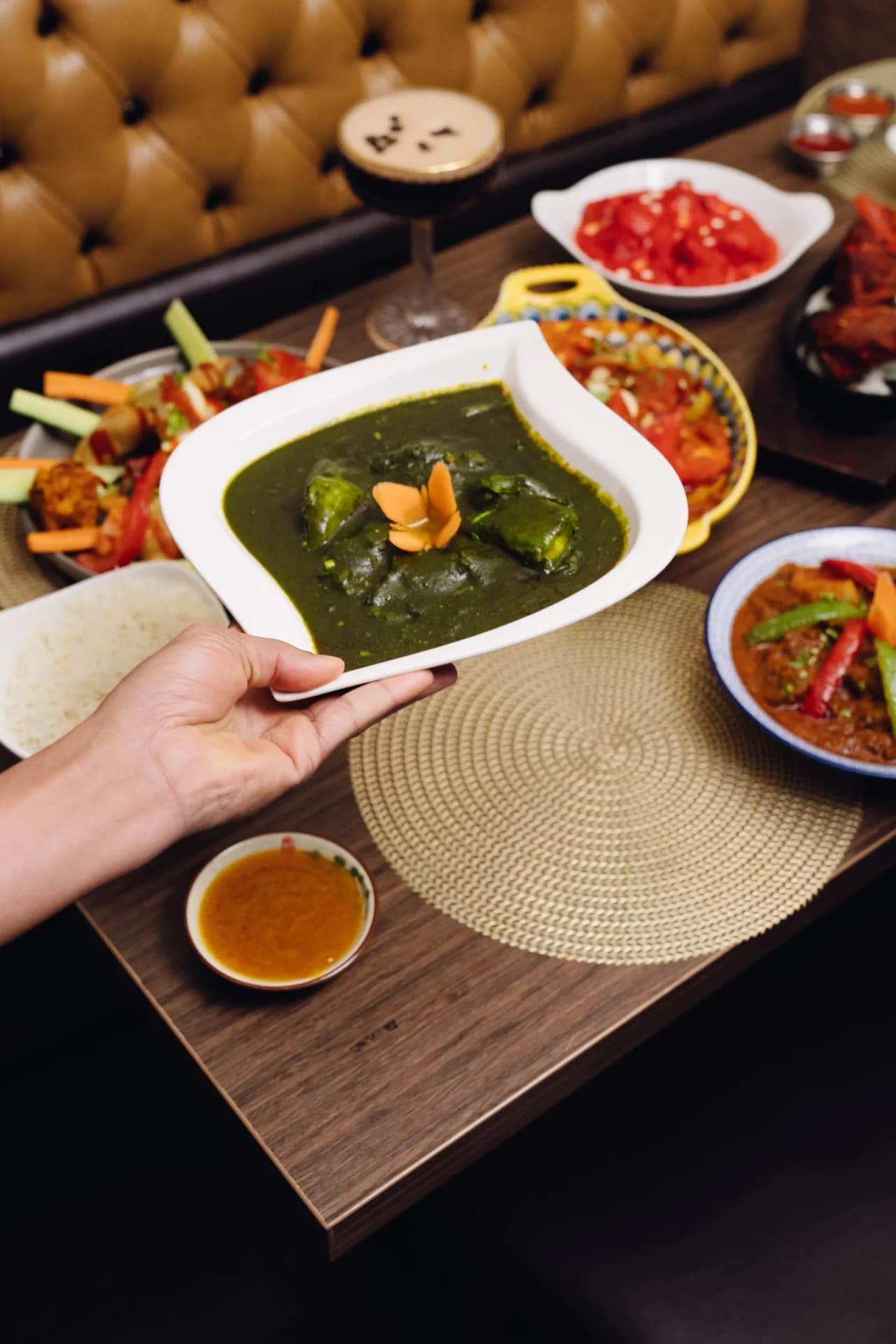

Indian tasting menu dining is transforming India’s cuisine, where heritage meets innovation to create a vibrant culinary renaissance. From bustling cities to remote villages, chefs and diners are reimagining traditions; meanwhile, culinary creativity continues to flourish everywhere. Furthermore, with every dish, the country blends heritage, innovation, and bold global influences into memorable dining experiences. Today, tea rituals, turmeric-based creations, and modern tasting menus therefore stand proudly at the centre of this cultural movement.
Rediscovering Indian Tasting Menu Ingredients
 India has always treasured its spices. Yet now, chefs are shining a brighter light on their health and flavour potential. Turmeric, once seen only as a kitchen staple, has become a star ingredient. It appears in lattes, desserts, cocktails, and even fine dining sauces. Moreover, the world has embraced it for its anti-inflammatory benefits.
Alongside turmeric, forgotten grains like millet and amaranth are returning to menus. Farmers and chefs alike are reviving these ingredients, offering diners healthy yet flavourful alternatives. Consequently, the nation is reconnecting with its roots while moving towards sustainability.
The Power of Turmeric
Turmeric’s vibrant colour and earthy taste bring dishes alive. At the same time, it carries centuries of healing wisdom. Today’s chefs use it to strike a balance between health and indulgence. From golden curries to fusion chocolates, turmeric is shaping menus far beyond traditional kitchens.
The Revival of Tea Culture in Indian Tasting Menu
India’s love affair with tea runs deep; however, tea culture is evolving and moving beyond the daily cup of chai. Moreover, speciality cafés now experiment with unique blends, rare leaves, and artisanal brewing techniques across the country.
In big cities, tea-tasting sessions rival wine pairings. Young entrepreneurs are exploring single-origin teas from Assam, Darjeeling, and Nilgiri. As a result, tea is no longer just comfort - it is culture, craft, and even luxury.
Pairing Tea with Food
Chefs are increasingly pairing teas with meals. A floral Darjeeling may complement light appetisers. Meanwhile, a smoky Assam tea enhances hearty meats. These thoughtful pairings elevate dining experiences, showing that tea can be as complex as wine.
Tasting Menus for a Modern India
One of the most exciting trends is the rise of tasting menus. Traditionally, Indian dining has centred on abundance and sharing. However, tasting menus allow chefs to present curated journeys through flavours.
From Delhi to Mumbai, and Bengaluru to Goa, fine dining restaurants are leading the change. Here, chefs plate seasonal, small portions that surprise diners with each course. Furthermore, they use both local produce and global techniques, crafting meals that feel modern yet unmistakably Indian.
Innovation Meets Tradition
Many chefs weave old and new seamlessly. A classic dish might arrive with molecular gastronomy flair. A simple lentil soup could be transformed into an amuse-bouche with foam and spice dust. This approach respects tradition while embracing modern storytelling.
Regional Flavours on Display
India’s diversity ensures tasting menus never feel repetitive. A course might highlight Kashmiri saffron, while the next celebrates Goan coconut. Chefs use these menus to showcase local pride and regional heritage, offering diners a culinary map of the nation.
The Global Stage for Indian Tasting Menu
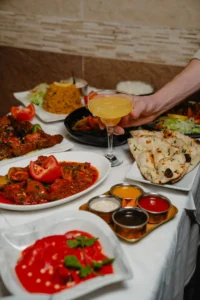 This renaissance is not limited to India. Indian chefs abroad are also reshaping perceptions of the cuisine. Michelin-starred restaurants in London, New York, and Dubai now serve refined Indian tasting menus. These places prove that Indian food can be both rooted and forward-looking.
Moreover, international recognition pushes Indian chefs at home to innovate further. Consequently, the cycle of creativity strengthens, with every experiment inspiring the next.
Sustainability and Conscious Dining
Another vital aspect of this shift is sustainability. Chefs are sourcing local produce, reducing waste, and celebrating seasonal ingredients. Diners, too, now care about the journey of their food. Therefore, the renaissance extends beyond taste - it touches responsibility and ethics.
Farm-to-Table Movement
Small farmers and artisanal producers are becoming key partners. Restaurants highlight them proudly, creating deeper connections between plate and land. By doing so, India’s culinary industry not only preserves heritage but also supports rural economies.
A Future Full of Flavour
India’s culinary renaissance is more than a trend. It is a celebration of heritage, innovation, and community. With tea rituals evolving, turmeric inspiring creativity, and tasting menus showcasing diversity, India has entered a golden era of food.
As more chefs take risks, the nation’s cuisine continues to earn global respect. Ultimately, India proves that food can be both timeless and timely. The story of tea, turmeric, and tasting menus is only the beginning of a much bigger journey.