
Heritage Indian Cuisine: A Culinary Archive
Heritage Indian cuisine does more than excite taste buds, as it preserves wisdom passed down through generations. It preserves centuries of generational wisdom, keeping culture alive through flavours, traditions, and stories. Passed down through families, these recipes and techniques reveal not only how Indians ate, but also how they lived. Today, elite chefs elevate these practices, ensuring they remain relevant in modern kitchens.
The Power of Heritage Indian Cuisine
Stories on a Plate
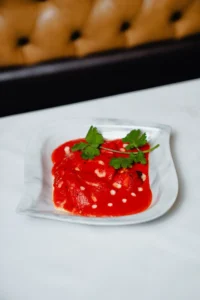 Every heirloom recipe carries a story. A grandmother’s dal, a mother’s spice mix, or a festival sweet all preserve memory. These recipes are rarely written. Instead, they travel through touch, taste, and oral instruction. Each dish reflects family history while connecting generations.
Bridging Past and Present
Heirloom recipes also bridge tradition and innovation. Chefs carefully revive them in contemporary settings. They retain the authenticity yet adapt techniques for today’s diners. Therefore, guests enjoy flavours of the past in dishes that feel current and refined.
Ancient Spice Techniques
The Art of Blending
Indian kitchens have always treated spices with reverence. Ancient techniques of roasting, grinding, and blending still define their character. When chefs grind spices fresh, the aroma transforms. Each blend delivers complexity impossible to find in pre-packed powders.
Science Meets Tradition
These methods also reflect deep knowledge of nature. Chefs know that roasting cumin releases earthy warmth. They understand that slow grinding protects delicate oils. Today, modern kitchens adopt this wisdom, proving that ancestral science still shapes contemporary gastronomy.
Heritage Indian Cuisine and Culinary Memory
Recipes Without Recipes
In many Indian homes, recipes remain unwritten. Instead, cooks pass them down by word, gesture, and repetition. A “handful” or “pinch” becomes a form of measurement. This oral tradition teaches flexibility, intuition, and respect for ingredients.
Documenting for the Future
However, with globalisation and changing lifestyles, chefs now record these recipes. They publish cookbooks and digital archives to safeguard knowledge. By doing so, they transform fleeting oral memories into permanent culinary records. Thus, traditions remain accessible for generations to come.
Elite Chefs as Archivists
Guardians of Heritage
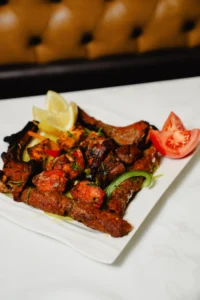 Elite chefs act as guardians of heritage. They research regional cuisines, interview elders, and restore long-forgotten recipes. Their menus highlight flavours that might otherwise disappear. By placing these dishes in fine dining spaces, they celebrate and preserve India’s culinary diversity.
Elevating Everyday Wisdom
Moreover, chefs elevate humble traditions. A simple millet flatbread or fermented pickle becomes a centrepiece on a luxury plate. This approach ensures everyday foods gain the respect they deserve. Consequently, diners discover how simple traditions hold extraordinary cultural value.
Preserving Identity Through Heritage Indian Cuisine
A Living Archive
Food functions as a living archive of identity. Each dish preserves more than flavour. It carries values, beliefs, and cultural codes. Sharing food allows families and communities to pass these codes forward. In this way, recipes act as cultural anchors.
Global Relevance
In today’s global food culture, preserving these archives matters even more. Fine Indian food shows the world that tradition and innovation can thrive together. When chefs revive recipes and spice techniques, they showcase India’s voice in global gastronomy.
Conclusion
Fine Indian food stands as a culinary archive, safeguarding generational wisdom through heirloom recipes, spice traditions, and oral histories. Chefs act as archivists, blending respect for heritage with modern creativity. Each plate tells a story, bridging past and present. As diners, tasting these dishes means tasting history itself.