
Desi Tasting Menus Redefine Fine Dining
Desi tasting menus are becoming the highlight of India’s evolving fine dining scene, blending tradition with innovation. These tasting menus are now popping up in high-end restaurants across the country and abroad. While the format is global, the flavours are proudly desi. Chefs are blending tradition and innovation to create unforgettable journeys through Indian cuisine.
What Is a Degustation Menu?
A degustation menu offers a series of small, curated dishes. Each course is designed to highlight a specific flavour, texture, or technique. While common in French or Japanese fine dining, Indian chefs are now making it their own. These menus allow diners to explore multiple regions, styles, and ingredients – all in one sitting.
Why Degustation Works for Indian Food
Indian cuisine is incredibly diverse. Each region has unique spices, methods, and stories. A tasting menu allows chefs to showcase this variety in a structured way. Rather than committing to one large dish, diners sample many small plates. From spicy to sweet, from rich to light – everything gets its moment.
Chefs Leading the Way
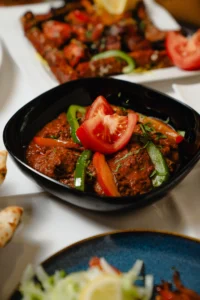 Many top chefs are now embracing the Indian tasting format. They focus on seasonal ingredients, rare recipes, and elevated plating. Their goal is to honour tradition while rethinking how we eat Indian food.
Prateek Sadhu
At Masque in Mumbai, Chef Prateek Sadhu crafts menus that, in turn, tell a meaningful story. He carefully uses ingredients ranging from the Himalayas to the Konkan coast. As a result, each dish reflects a memory, a journey, or a special place.
Manish Mehrotra
Indian Accent, led by Manish Mehrotra, therefore brought this idea to the mainstream. Moreover, his tasting menus offer a playful take on Indian classics. For example, think blue cheese naan or galauti paired with foie gras.
Garima Arora
Chef Garima at Gaa in Bangkok also explores Indian roots. Her multi-course menus connect Thai and Indian traditions. The result is refined yet deeply soulful.
How It Feels to Dine This Way
A tasting menu is not just a meal – it’s an experience. Courses arrive one by one, each with a story. Diners are invited to slow down, taste mindfully, and savour the journey.
Slower, Smarter Eating
Since portions are small, you eat with care. This pace lets your palate reset between bites. It’s the opposite of rushed, everyday meals. Every flavour gets your full attention.
Visual Feast
Presentation plays a key role. Chefs plate each dish like art. Bright chutneys, edible flowers, and handcrafted ceramics add to the charm. Instagram-worthy, yes – but also a joy to behold.
Cultural Pride on a Plate
Meanwhile, more chefs are reintroducing forgotten ingredients and recipes. For example, millet, jackfruit, moringa, and other native elements now shine. Additionally, lost cooking styles like dum pukht and sand roasting are making a strong comeback. Together, this movement celebrates India’s food heritage in a bold, modern way.
Regional Flavours, Global Format
While the format may be global, the soul is purely Indian. You might start with a tamarind-glazed pumpkin, move to a smoked duck chettinad, and end with filter coffee ice cream. These menus let chefs showcase regional depth without sticking to one cuisine style.
Tasting Menus Abroad: Desi Tasting Menus
Indian degustation menus, however, aren’t limited to India. In fact, many top restaurants abroad now offer them too. For instance, diners in London, New York, and Dubai are embracing the concept enthusiastically.
Gymkhana and Beyond
In London, for example, places like Gymkhana and Kutir offer multi-course Indian menus. As a result, they combine elegance with spice beautifully. Consequently, these menus challenge old ideas of Indian food being only “heavy” or “casual.”
Changing Global Perceptions
For a long time, Indian food abroad meant curry houses and buffets. Now, tasting menus show a refined, story-driven side. This shift opens minds and palates alike.
What Makes a Good Indian Tasting Menus?
Not all degustation menus are equal. The best ones strike a balance between creativity and comfort.
Variety
A solid menu includes dishes from different regions and categories. You should get a mix of vegetarian, meat, seafood, and dessert options.
Storytelling
Great menus tell a story. Whether it’s a trip through Kerala or a tribute to Punjabi home kitchens, there’s a thread that connects it all.
Pacing and Balance
No dish should feel too rich or too plain. Flavours must rise and fall like a well-composed song.
Is It Worth the Price?
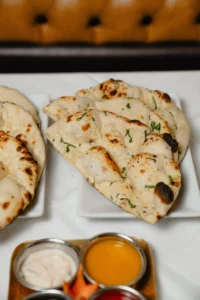 Tasting menus often cost more than a regular meal. However, they offer more than just food. You’re paying for the craft, the story, and the journey.
Not Just Fine Dining
Some newer places are offering mid-range tasting menus too. Pop-ups, supper clubs, and small-format restaurants are bringing this experience to more people.
What’s Next?
The rise of Indian degustation is just the beginning. As a result, more chefs will experiment with even bolder menus. In addition, expect collaborations, seasonal editions, and hyper-local themes to emerge.
Homegrown Ingredients, Global Techniques
From fermentation to molecular gastronomy, Indian chefs now have every tool at their disposal. However, the heart will always remain desi. Therefore, expect mustard oil, curry leaves, and jaggery to shine in exciting new ways.
Final Thoughts: Desi Tasting Menus
Indian degustation menus are transforming how we view Indian food. They are refined, yet still deeply rooted in tradition. Moreover, they strike a bold but balanced flavour profile. At the same time, they feel both traditional and refreshingly new. Ultimately, they offer diners a chance to taste India – one delicious course at a time.
Would you try an Indian tasting menu next time you dine out? Let us know your favourite spots!