
Indian Fusion Cuisine: Trend or Travesty?
The world of food is changing fast, and Indian fusion cuisine is now redefining how we experience global fine dining. Diners now expect more than a good meal – they want an experience. This is especially true in Indian fine dining. Once known for its tradition and rich history, Indian cuisine is now embracing global trends. From French-inspired plating to Japanese cooking styles, Indian restaurants are stepping into a new era. But is this fusion of styles a bold move or a culinary misstep?
Let’s explore how Indian fine dining blends global trends, and when it works – or doesn’t.
The Rise of Fusion in Fine Dining
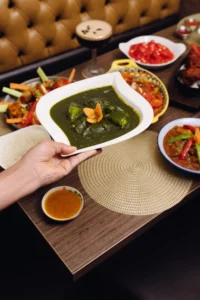 In the last decade, the global food scene has embraced fusion. Chefs now mix ingredients, cooking methods and presentation styles from different cultures. Indian cuisine, with its bold spices and deep flavours, offers rich ground for this experimentation.
As a result, many Indian fine dining restaurants are no longer bound by tradition. They now feature tasting menus, wine pairings and even Nordic-inspired desserts. This change aims to attract global palates while keeping Indian food exciting.
Why Indian Cuisine Lends Itself to Fusion
Indian food has always evolved. From Mughal influences to Portuguese-inspired dishes in Goa, fusion is nothing new. The cuisine is built on layers – spices, textures and regional diversity. This makes it flexible and adaptable.
When handled well, fusion allows chefs to highlight Indian flavours in new ways. A good example is using miso with tamarind or plating chaat like a French amuse-bouche. Done right, it feels fresh, not forced.
When Fusion Works: Indian Fusion Cuisine
Respect for the Root
Fusion should never mean forgetting the core of a dish. When chefs respect the origin of the food, the results shine. For example, a tandoori salmon with ponzu glaze works when the fish is still cooked in a tandoor. The smoky taste remains, while the glaze adds a twist.
Focus on Flavour First
Trendy ingredients mean nothing if they don’t enhance flavour. Great fusion dishes often use foreign techniques to improve texture or balance spices. Sous-vide lamb can offer tenderness, but it must still carry the warm depth of garam masala.
Presentation, Not Pretension
Modern fine dining often includes beautiful plating. But style should never trump substance. A deconstructed samosa might look lovely, but it must taste even better. In successful fusion, the final dish tells a story – visually and on the tongue.
When Fusion Fails
Overcomplication
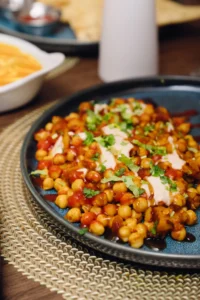 Fusion can go too far. Adding too many elements from different cuisines can create chaos on a plate. For instance, combining Indian curry, sushi and molecular gastronomy might confuse rather than delight. Simplicity is often more effective.
Lack of Identity
In some cases, diners can’t tell what cuisine they’re eating. That’s a red flag. A dish should still feel Indian at its heart. Fusion should highlight Indian culture, not bury it under trendy global tricks.
Trend-Chasing
Some restaurants use fusion simply to follow trends. Activated charcoal dosas or wasabi gulab jamuns might look good on Instagram, but taste matters more. Trends fade – quality lasts.
Global Trends Influencing Indian Fine Dining: Indian Fusion Cuisine
Several international styles have made their way into Indian restaurants. Let’s look at some that have become popular – and why.
Nordic Simplicity
Scandinavian food champions clean flavours and minimalism. Some Indian chefs now present food on stoneware, use local herbs, and highlight seasonal ingredients. This focus on the purity of each item pairs well with Indian spices when done with care.
Japanese Techniques
Precision, presentation and umami – these are core to Japanese cooking. Indian fine dining has adopted sushi-style plating and miso-infused sauces. It adds depth, especially when balancing heavy spices.
French Flair
France gave us fine dining as we know it. Indian chefs borrow techniques like flambé, confit and mousse to bring a touch of elegance. A saffron kulfi mousse or a coconut foam over rasam can elevate a dish – if balanced well.
Are Diners Ready for Fusion?
Yes, and no.
Many young diners, especially in cities like London, love the idea of trying something new. They seek bold twists and global ideas. However, traditionalists still expect authenticity and comfort. It’s all about knowing your audience.
For example, a tasting menu in a Mayfair Indian restaurant can experiment more than a family-run spot in Southall. Fine dining allows room to play, but every chef must read the room.
Final Thoughts: Fusion or Faux Pas?
Fusion in Indian fine dining isn’t a mistake – it’s a tool. Like any tool, it depends on how it’s used. When chefs honour the roots of Indian cuisine while blending modern ideas, magic happens. But when fusion becomes a gimmick, it weakens the dish.
The future of Indian fine dining is exciting. It stands at a crossroads where history meets innovation. Whether you’re a foodie, a chef or just curious, this journey is worth tasting.
What’s your take – do you prefer bold new twists or classic Indian flavours? Let us know.